A cracked plastic bumper can be a major eyesore, diminishing your vehicle's appearance and potentially its value. While it might seem like a complex issue, modern auto body shops possess the specialized tools and techniques to perform seamless repairs. It is no longer a given that a cracked bumper cover needs a full replacement. Skilled technicians can effectively mend cracks, splits, and punctures in most plastic bumpers, restoring their structural integrity and original look. This process involves more than just a simple patch; it is a multi-step procedure that includes precise surface preparation, advanced material bonding or welding, and expert paint matching. Understanding how professionals tackle this common repair can help you make an informed decision and appreciate the craftsmanship that goes into returning your car to its pre-damage condition. A proper repair ensures durability and a finish that is indistinguishable from the factory original.
Opting for a professional repair for your cracked bumper is a smart investment in your vehicle’s longevity and resale value. Unlike DIY kits that can fail over time, a professionally repaired bumper is built to last, withstanding vibrations and minor impacts. Technicians use industry-approved materials and methods that ensure the repaired area flexes and behaves just like the rest of the bumper. Furthermore, our expert color-matching technology guarantees a flawless blend, leaving no trace of the previous damage. Trusting the experts saves you time and prevents future headaches.
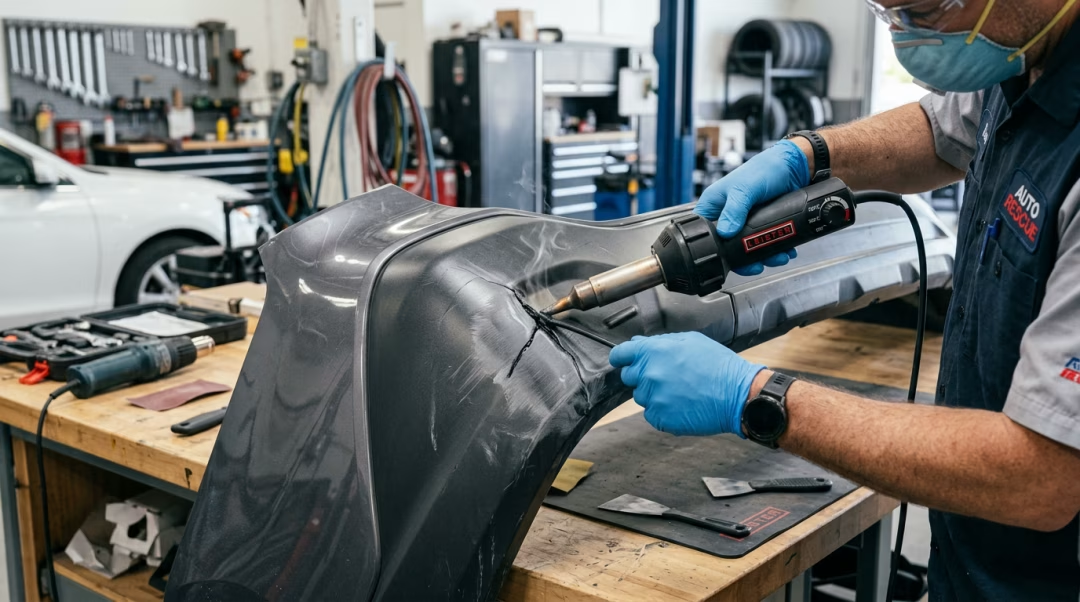
The plastic bumper covers on today's vehicles are designed to absorb minor impacts, but this often results in unsightly cracks, scuffs, and punctures. While your first thought might be that a replacement is the only solution, professional auto body technicians have a sophisticated process to repair this damage effectively. This not only saves money but is also a more environmentally friendly option. Let's dive into the meticulous, step-by-step process that transforms a damaged bumper back to its original state.
The repair journey begins with a detailed inspection. A technician will carefully examine the extent of the crack, checking for related damage like broken mounting tabs, clips, or underlying structural issues. They also identify the type of plastic the bumper is made from (e.g., PP, TPO, ABS), as this determines the correct repair materials and techniques. In most cases, the bumper cover is carefully removed from the vehicle. This provides complete access to both the front and back of the damaged area, which is crucial for a strong, lasting repair. It also protects the rest of the vehicle from sanding dust and paint overspray during the later stages.
Proper adhesion is the cornerstone of a durable bumper repair. Before any work begins, the damaged area is thoroughly cleaned with specialized automotive-grade soaps and degreasers. This removes all traces of dirt, road grime, wax, and other contaminants that could compromise the bond of the repair materials. Once clean, the technician prepares the crack itself. Using a rotary tool or sander, they grind a "V" shaped groove along the length of the crack on both the front and back sides. This V-groove dramatically increases the surface area, allowing the filler or welding material to create a much stronger mechanical lock.
This is where the true expertise of a body shop technician shines. Depending on the type of plastic and the severity of the damage, one of two primary methods is used:
Once the welding or bonding material has fully cured, the meticulous process of restoring the bumper's perfect shape begins. The technician starts by sanding the repaired area with a coarse-grit sandpaper to knock down any high spots and roughly shape the filler. They progressively move to finer and finer grits of sandpaper, skillfully feathering the edges of the repair into the surrounding, undamaged area. This stage requires a keen eye and a steady hand to ensure the final surface is perfectly smooth and follows the exact contours of the bumper, leaving no ripples, bumps, or imperfections.
With the physical repair complete and the surface perfectly smooth, the bumper moves to the paint department. Painting directly onto plastic or body filler will result in peeling and flaking. To prevent this, several coats of a special flexible primer-surfacer are applied. This primer serves two critical functions: it promotes strong adhesion between the plastic surface and the topcoats of paint, and it fills in any microscopic scratches left from the final sanding stage, creating a perfectly uniform base for the color coat.
Achieving an invisible repair hinges on a perfect paint match. At our facility, we utilize advanced computerized color-matching systems. By using the vehicle's factory paint code, our system provides a precise formula, which we then test on a spray-out card to ensure it is an exact match to your car's specific shade. The technician then applies several coats of the base color, often blending the new paint into the adjacent areas to ensure a seamless transition. Finally, multiple layers of a durable, high-gloss clear coat are applied to protect the color and provide that factory shine.
The newly painted bumper is typically cured in a heated spray booth to harden the paint and clear coat for maximum durability. Once fully cured, the bumper is ready for reassembly. The technician carefully reinstalls it onto the vehicle, ensuring all clips, fasteners, grilles, and sensors are fitted correctly. If your vehicle is equipped with Advanced Driver-Assistance Systems (ADAS), any sensors in the bumper, such as parking sensors, will be recalibrated to ensure they function as intended. A final quality control inspection is performed to guarantee the repair is invisible and the bumper looks and functions like new.
Most cracks, splits, and punctures can be successfully repaired. However, if the damage is extremely severe, covers the majority of the bumper's surface, or has multiple broken mounting tabs, a technician may recommend a full replacement as the more reliable and cost-effective option. Our experts can provide a clear assessment after inspecting the damage.
The timeline can vary based on the extent of the damage and our shop's schedule. A minor crack repair might take 1-2 days, while more complex damage could take 3-4 days. This includes time for disassembly, the multi-step repair process, paint application, and proper curing time for all materials.
Yes. Modern plastic welding techniques and professional-grade adhesives are designed to restore the bumper's structural integrity. When performed correctly by a skilled technician, the repaired area is often as strong as, if not stronger than, the surrounding plastic, and it will retain the necessary flexibility.
Absolutely. We use advanced computerized paint-matching technology that analyzes your vehicle's specific paint code to create a perfect formula. Combined with blending techniques, this ensures the repaired section is completely indistinguishable from the original factory paint job, even in direct sunlight.
In the vast majority of cases, repairing a cracked bumper is significantly more affordable than replacing it. A new bumper from the manufacturer can be expensive, and that cost does not include the labor for painting and installation. Repairing the existing bumper saves on parts costs and is a more efficient solution for most types of damage.