Have you ever noticed a car with a door or fender that is a slightly different shade from the rest of the body? This mismatch is a clear sign of a subpar repair and can significantly decrease a vehicle's resale value. Achieving a perfect, factory-quality finish after a repair requires more than just knowing the original paint code. Modern auto paint color matching is a sophisticated process that blends advanced technology with expert craftsmanship. It involves analyzing the existing paint on a microscopic level to account for factors like sun fading, weather exposure, and minor variations from the factory. This precision ensures the repaired area is completely indistinguishable from the original panels. Understanding how this technology works reveals the incredible detail that goes into a high-quality, professional vehicle restoration, a standard we uphold in every car we evaluate and service. It is a critical part of protecting your investment and maintaining your vehicle's aesthetic integrity.
The goal of any quality body repair is to make it seem as though the damage never happened. At the heart of this illusion is flawless paint color matching. Using cutting-edge tools like a spectrophotometer, technicians can digitally scan your vehicle's paint and generate a precise formula that accounts for its current, weathered condition. This data-driven approach eliminates guesswork, ensuring the new paint is a perfect twin to the old. This commitment to precision is what separates an average repair from an exceptional one, preserving your vehicle's beauty and value.
When a vehicle requires paint work after a collision or for cosmetic reasons, achieving a perfect color match is paramount. Many people believe that simply using the factory paint code found on the vehicle's identification tag is enough to guarantee a match. However, this code is merely the starting point—a recipe for the color as it was when the car was brand new. In reality, a multitude of factors can alter a vehicle's paint over time, making a direct match with the factory code nearly impossible. This is where modern auto paint color matching technology becomes indispensable for a truly professional and invisible repair.
A vehicle's paint code is a specific formula used by the manufacturer during production. While all vehicles with the same code start with the same color, they do not stay that way. Several variables contribute to color drift over the years:
Because of these factors, applying a fresh batch of factory-code paint next to a panel that has been on the road for several years would result in a noticeable contrast.
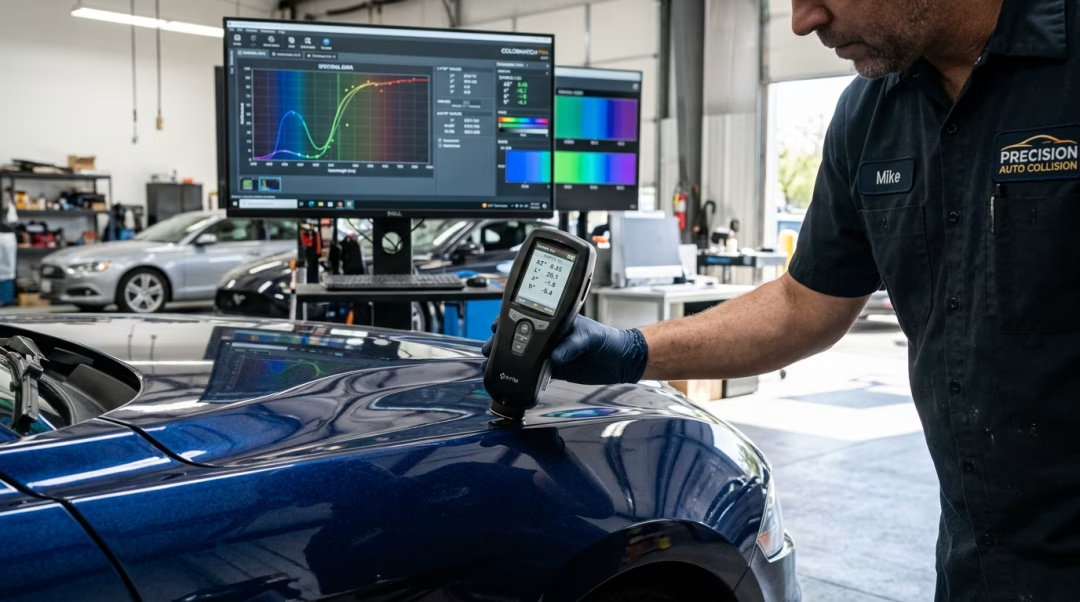
To overcome the challenge of paint aging, professional body shops use a remarkable device called a spectrophotometer. This handheld tool is essentially a digital color reader that analyzes a vehicle's paint with incredible accuracy. The process is meticulous:
The data captured by the spectrophotometer is then uploaded to a computer with advanced software connected to a global database of thousands of paint formulas. The software cross-references the readings with existing formulas to find the closest possible match. More importantly, it identifies the subtle differences and calculates the precise adjustments needed to create a custom formula. It might suggest adding a drop of black to deepen the tone, a touch of yellow to account for fading, or a different type of metallic flake to match the sparkle. This level of detail is something the human eye alone cannot achieve. This custom formula is then sent to a computerized mixing station, which dispenses the exact amounts of each required tint to create the perfect batch of paint for that specific repair.
Even with a formula matched by a spectrophotometer, a skilled painter's work is not done. The final step to ensuring a seamless repair is a technique known as blending. Blending involves lightly spraying the new paint not just on the repaired panel but also extending it onto the adjacent panels. The new color is faded gradually into the existing, original paint. This technique tricks the eye, creating a smooth transition rather than a hard line where the new paint stops and the old paint begins. Understanding what is blending and why painters use it on repairs is key to appreciating the craftsmanship behind a top-tier paint job. It ensures that even if there are microscopic differences in color, they are rendered completely invisible to an observer, making the repair truly undetectable.
The factory paint code represents the color of your car when it was new. Over time, factors like sun exposure, weather, and washing cause the paint to fade and change slightly. Using a fresh mix of the original code would create a noticeable mismatch against the weathered paint on the rest of the car. We analyze the current color to create a custom formula for a perfect match.
A spectrophotometer is a handheld electronic device that acts like a digital eye. We place it on your car's paint, and it shines a specialized light to precisely measure the color's unique properties, including hue, brightness, and metallic flake characteristics. This data is then used by a computer to create an exact formula for the new paint.
The ultraviolet (UV) rays from the sun are powerful enough to break down the chemical bonds in your car's paint pigments over time. This process, known as photodegradation, causes colors to lighten and become less vibrant. Reds tend to fade faster, while other colors may take on a dull or chalky appearance. This is a major reason why professional color matching is so crucial.
Blending is a technique where the new paint is gradually faded onto the panels adjacent to the repaired one. This creates a seamless transition that makes it impossible for the human eye to detect where the new paint ends and the original paint begins. It is a vital step for an invisible repair, even with a near-perfect color match, because it helps manage how light reflects across panel edges.
Yes, absolutely. Complex colors like metallic, pearlescent, and "tri-coat" paints are significantly more challenging to match. These paints contain metallic flakes or ceramic crystals that reflect light differently from various angles, creating a sense of depth and sparkle. Matching not just the color but also the texture and effect of these flakes requires advanced technology and a highly skilled technician.