Dealing with the aftermath of a car accident is stressful enough without having to worry about how you will get to work, school, or run daily errands. When your vehicle is in the shop for repairs, your life does not stop. This is where rental car coverage, often called rental reimbursement, becomes an invaluable part of your auto insurance policy. Understanding how this coverage works before you need it can save you from significant headaches and unexpected out-of-pocket expenses. It provides you with temporary transportation, but its limits and activation process can vary significantly depending on your specific policy and the circumstances of the accident. Knowing whether you are covered, what your daily limits are, and how to initiate the process is crucial for a smooth transition from the accident scene to getting back on the road. We can help you understand what happens during a collision repair estimate to start the process.
Navigating the insurance landscape after a collision can be complex, but being proactive is your best defense against transportation gaps. The key is to review your policy and understand the specifics of your rental reimbursement coverage now, not after an incident occurs. This small step ensures you know your daily and total coverage limits, preventing surprises at the rental counter. A clear understanding empowers you to coordinate effectively with your insurance adjuster and repair facility, ensuring you remain mobile while your vehicle is being expertly restored.
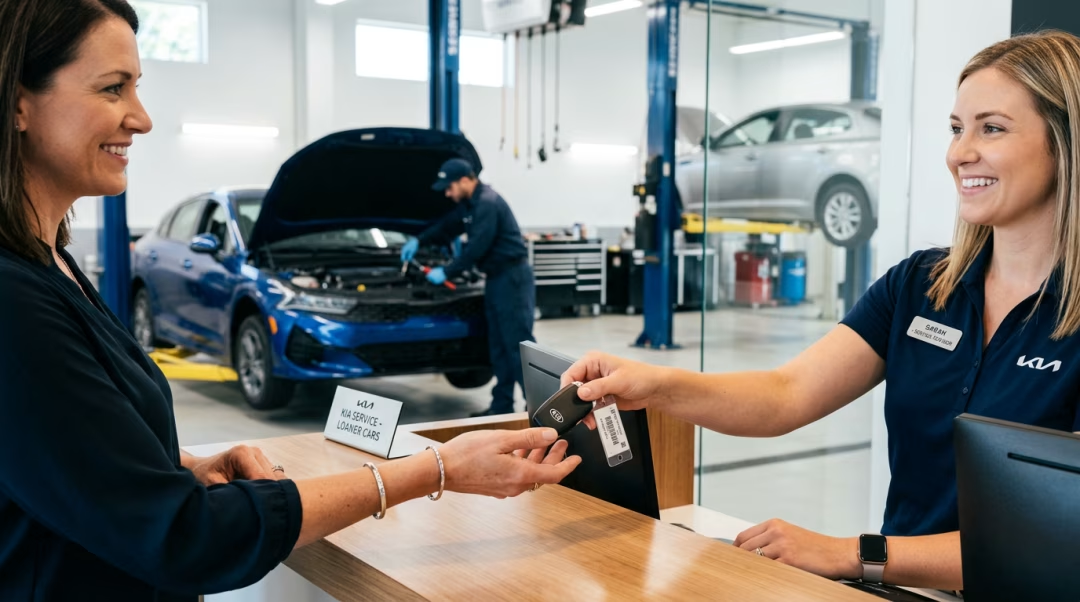
When your car is sidelined for collision repair, rental reimbursement coverage is the policy feature that keeps you moving. It is an optional coverage you can add to your auto insurance policy, designed specifically to pay for a rental car while yours is being fixed due to a covered claim. It is important to distinguish this from the rental car coverage included with some credit cards, which typically only covers damage to a rental vehicle, not the cost of renting it in the first place. Similarly, it is different from the liability coverage that an at-fault driver's insurance may provide. Having this on your own policy gives you control and immediate access to transportation, regardless of who was at fault. To learn more about insurance and financial matters, our financing frequently asked questions page is a great resource.
The first step is to determine if you have this coverage at all. You can find this information on your policy's declarations page, which is the summary of your coverages. Look for terms like "Rental Reimbursement," "Transportation Expense," or "Loss of Use." If it is listed, you will see a set of numbers, typically formatted as a daily and a total maximum, such as $40/$1200. This means the policy will pay up to $40 per day for a rental, but not to exceed a total of $1200 for the entire claim period. Understanding these limits is critical. If your limit is $40 per day and you choose to rent a large SUV that costs $65 per day, you will be responsible for paying the $25 difference out of pocket each day.
How you use rental coverage depends heavily on who was responsible for the accident.
If another driver was at fault, you generally have two choices. The first is to file a claim against their insurance policy. Their property damage liability coverage should pay for a comparable rental vehicle while yours is being repaired. However, this can sometimes lead to delays, as their insurance company must first investigate the claim and formally accept liability before they will authorize a rental. The second, and often faster, option is to use your own rental reimbursement coverage if you have it. You can get into a rental immediately, and your insurance company will then work to recover the costs from the at-fault party's insurer through a process called subrogation. This is often the most convenient path, as detailed in our guide on how to handle a claim when the other driver is at fault.
If you were at fault in the accident, the situation is more straightforward. You must have rental reimbursement coverage on your own policy to have a rental car paid for. Your collision coverage will handle the repairs to your vehicle (after you pay your deductible), and your transportation expense coverage will kick in to cover the rental costs, strictly within the daily and total limits outlined in your policy.
While incredibly useful, rental reimbursement is not a blank check. There are several key factors and common limitations you need to be aware of to manage your expectations and avoid unexpected bills. Being informed helps you navigate how the auto body insurance claims process works more effectively.
Open communication between you, your insurance adjuster, and your chosen collision repair shop is vital. The initial repair estimate might not uncover all the hidden damage. If the shop discovers supplemental damage once they begin work, it can extend the repair timeline. It is essential that the shop communicates this to your insurance adjuster promptly so that a rental extension can be approved if your policy limits allow. Staying in touch with both parties ensures there are no surprises about how long collision repair typically takes and that your rental coverage is managed effectively throughout the process.
If the repair time exceeds your policy's maximum days or total dollar limit, you will be responsible for paying the rental car company directly for any additional days. It is crucial to monitor the repair progress and stay in communication with your insurer and body shop to anticipate this possibility.
Generally, yes. However, your insurance company likely has preferred rental partners that offer discounted rates and direct billing. Choosing a non-preferred company might mean you have to pay upfront and submit receipts for reimbursement, and you will still be subject to your policy's daily rate limit.
No. Rental reimbursement coverage is designed to cover only the base daily rental rate of the vehicle. It does not cover additional expenses such as fuel, security deposits, or the supplemental liability or damage waiver products offered at the rental counter.
This is a common frustration. If you have rental reimbursement on your own policy, the fastest solution is often to use it. Your insurance company will provide you with a rental immediately and then pursue the at-fault insurer for reimbursement, saving you the wait and hassle.
In most cases, the collision and comprehensive coverage from your personal auto policy extends to a rental car used as a temporary substitute. However, you should always call your insurance agent to confirm this before declining the rental company's damage waiver, as policies can vary.
Ultimately, having rental reimbursement coverage provides peace of mind and minimizes disruption to your daily life after an accident. By understanding your policy's specific limits and how the process works, you can navigate your collision repair with confidence. If you have any more questions, do not hesitate to contact us for guidance.