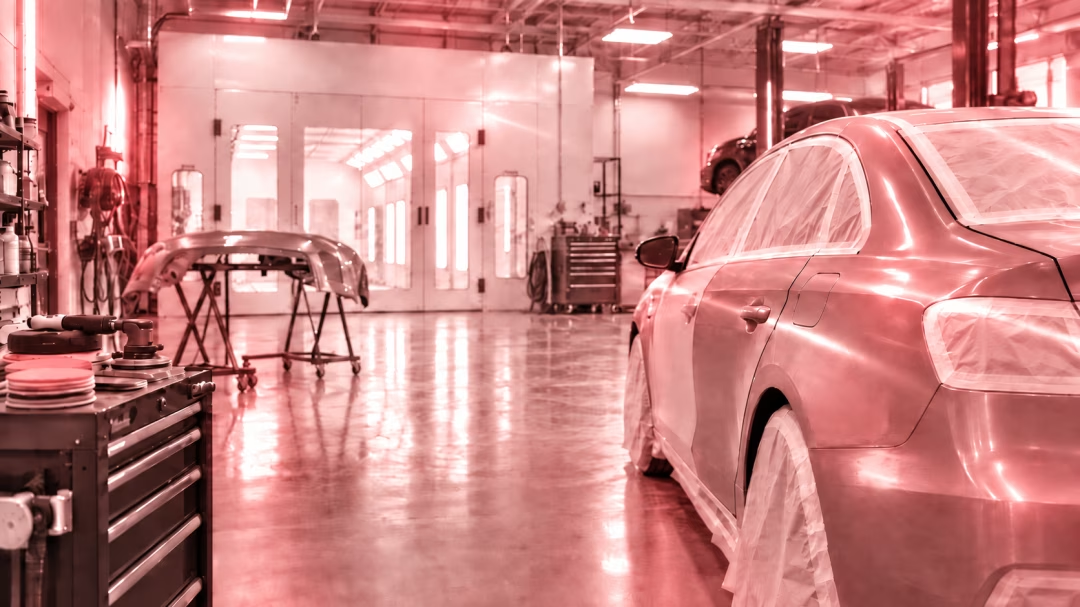
Modern vehicles are equipped with a sophisticated network of cameras and sensors known as Advanced Driver-Assistance Systems (ADAS). These systems are responsible for features like adaptive cruise control, lane-keeping assist, and automatic emergency braking. Following any body repair, from a minor bumper fix to a windshield replacement, the precise alignment of these sensors can be compromised. Even a millimeter of deviation can disrupt their function, potentially leading to system failure or inaccurate readings on the road. Proper recalibration is not just a suggestion, it is a critical safety procedure. This process ensures that every component is reset to its original manufacturer specifications, restoring the vehicle’s intelligent safety features and giving you peace of mind. A certified repair facility uses specialized tools and targets in a controlled environment to guarantee every sensor and camera is aimed and functioning exactly as it was designed to, protecting you and your passengers on every drive.
Neglecting to recalibrate your vehicle’s ADAS after a collision repair can create significant safety risks. These systems rely on perfect alignment to see the world around them correctly. Without it, your car may not brake for an obstacle or could drift out of its lane without warning. Ensuring this service is performed by qualified technicians not only restores the full functionality of your vehicle’s safety net but also helps maintain its resale value. It is an essential final step in any quality vehicle safety system restoration process.
In today's automotive landscape, a simple repair is rarely just about metal and paint. The integration of Advanced Driver-Assistance Systems (ADAS) has transformed vehicle safety, but it has also added a layer of complexity to the collision repair process. These systems utilize a suite of sensors, cameras, radar, and lidar to provide features that actively help prevent accidents. When a vehicle sustains damage, the components housing these delicate instruments are often affected, requiring a meticulous recalibration process to ensure they function correctly post-repair.
Understanding this process is crucial for any vehicle owner. It is the key to ensuring your car is returned to you in its pre-accident condition, not just aesthetically, but functionally and safely. A failure to perform ADAS recalibration can render your most important safety features useless or, even worse, cause them to behave unpredictably.
Many common auto body procedures can interfere with the precise positioning and function of ADAS components. It is not just major collisions that necessitate this service. Technicians must consider recalibration after a wide range of repairs, as even slight changes can have a significant impact. We recommend learning more about how ADAS affects collision repair for a more comprehensive view.
Automotive technicians use two primary methods to recalibrate a vehicle’s sensors and cameras, and sometimes a combination of both is required. The specific procedure is dictated by the Original Equipment Manufacturer (OEM) for each make and model.
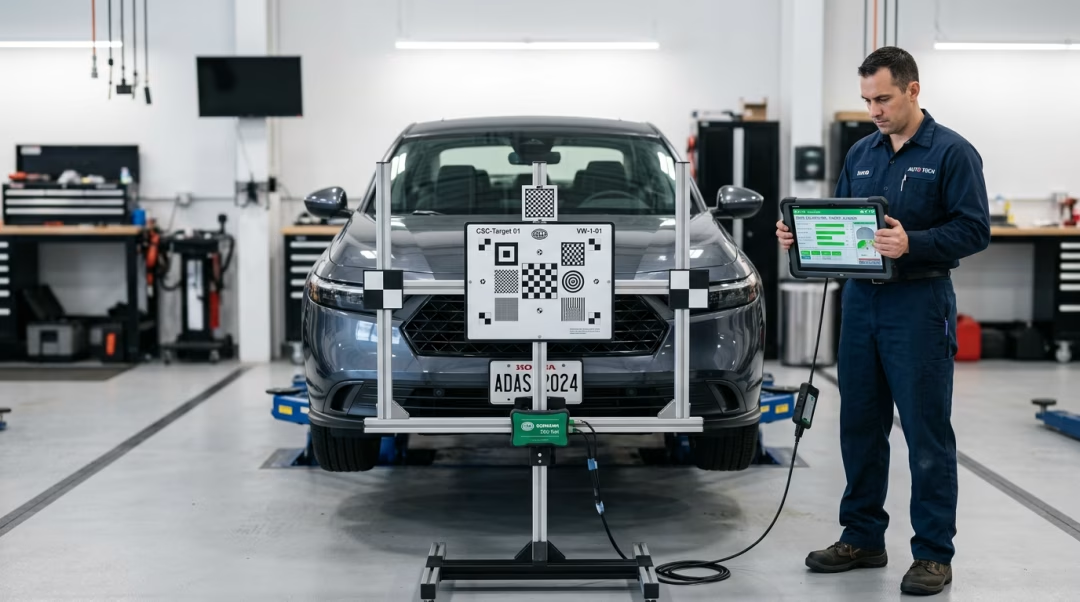
1. Static Recalibration: This process is performed in a controlled, workshop environment. The vehicle must be parked on a perfectly level surface in a well-lit bay. Technicians place specific targets and patterns at precise, manufacturer-specified distances and heights from the vehicle. They then use a sophisticated diagnostic scan tool to put the vehicle into a calibration mode. The vehicle's cameras and sensors read the targets, and the technician makes micro-adjustments until the system is perfectly aligned. This method is common for forward-facing cameras, 360-degree view systems, and some radar units.
2. Dynamic Recalibration: This method requires the vehicle to be driven on the road. A technician connects a scan tool and initiates the calibration mode. They must then drive the vehicle at a specified speed for a certain distance on a road with clear, visible lane markings. During the drive, the system's sensors and cameras actively learn and align themselves based on the road data. This procedure is often used for radar-based systems like adaptive cruise control and blind-spot monitoring. Weather conditions must be clear, as rain, fog, or snow can interfere with the process.
The recalibration process is part of a larger diagnostic workflow. A professional repair shop will always perform a pre-repair scan to identify all existing faults and a post-repair scan to confirm that all systems are functioning correctly and that all calibrations were successful. This final diagnostic check is your assurance that the vehicle is safe to drive. It verifies that there are no remaining Diagnostic Trouble Codes (DTCs) related to the ADAS and that all safety features are operational. Never accept a repaired vehicle without confirmation of a successful post-repair scan and calibration. A failure to do so could mean you are driving a vehicle with compromised safety systems. We highly recommend reading about why a post-repair inspection matters to understand its full importance.
ADAS recalibration is the precise physical alignment and electronic aiming of a vehicle's sensors and cameras to meet original manufacturer specifications. This process ensures that safety systems like lane-keeping assist, adaptive cruise control, and automatic emergency braking function correctly after a repair has altered their position.
Not every single repair requires it, but many do. Any procedure that involves removing or disturbing components with embedded sensors, such as windshields, bumpers, grilles, or side mirrors, will almost certainly require recalibration. Even a simple wheel alignment can necessitate it for certain systems. A pre-repair diagnostic scan helps determine what is needed.
The time can vary significantly depending on the vehicle and the type of calibration required. A dynamic calibration might take 30 to 60 minutes of driving under specific conditions. A static calibration can take anywhere from one to three hours, as it requires a meticulous setup of targets and a controlled environment.
It is strongly advised against. Driving without proper calibration means your vehicle's advanced safety features may not work when you need them most, or they could engage unexpectedly, increasing the risk of an accident. It compromises the core safety design of your modern vehicle.
In most cases involving a collision claim, yes. Insurance companies recognize ADAS recalibration as a necessary and integral part of a complete and safe repair. It should be included as a line item on the repair estimate. Always confirm with your provider and read about how the auto body insurance claims process works.
Using Original Equipment Manufacturer (OEM) parts is critical for ADAS repairs. These parts are designed to the exact specifications required for sensors and cameras to function properly. Aftermarket parts may not have the correct brackets, materials, or transparency, which can interfere with sensor readings and make a successful recalibration impossible. You can learn more about why OEM parts matter in collision repair.