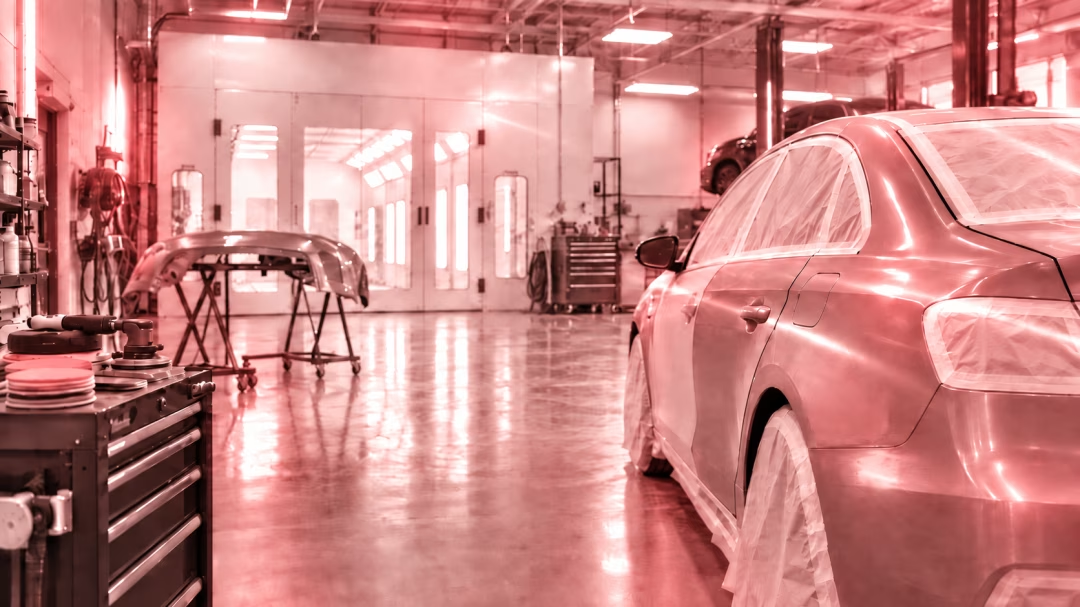
Your vehicle is back from the body shop, and the fresh paint job looks incredible. That deep gloss and flawless finish are the results of a professional repair, but the work is not over yet. The first 30 to 90 days are the most critical period for your new paint. While it may feel dry to the touch within hours, the paint is undergoing a complex curing process beneath the surface. During this time, the solvents are still evaporating, and the paint layers are hardening and bonding to your vehicle. How you treat your car during this "break in period" directly impacts its long term durability, shine, and resistance to the elements. Protecting this significant investment is simple with a little patience and the right techniques. Following these essential care steps will ensure your vehicle’s finish remains as stunning as the day you got it back, preserving its appearance and value for years to come.
Navigating the initial care phase of a new paint job is easier than you think. The golden rule is to be gentle. Avoid anything that is abrasive, chemically harsh, or that could trap moisture against the finish. This includes automated car washes, waxing, and even certain types of car covers. Your focus should be on protecting the delicate, curing surface from environmental threats like bird droppings and tree sap. By following a few simple guidelines, you can confidently protect your vehicle's new look and ensure a beautiful, lasting finish.
To properly care for your new paint, it helps to understand what is happening on a chemical level. Modern automotive paint is a multi-layer system, often including a primer, a base coat for color, and a protective clear coat. When these layers are applied, they contain solvents that keep the paint in a liquid state. After application, these solvents begin to evaporate, which is when the paint becomes "dry to the touch."
However, drying is not the same as curing. Curing, or cross linking, is the process where the paint's polymer chains link together to form a hard, durable, and protective shell. This process can take anywhere from 30 to 90 days, depending on the type of paint used, the number of layers, and environmental conditions like temperature and humidity. During this time, the paint is still "gassing out" solvents and is incredibly soft and vulnerable to damage. Scratches, chemical etching, and water spots can occur much more easily now than they will once the paint is fully hardened.
Patience is your best tool during the curing phase. Avoiding a few key things will make a massive difference in the final quality and longevity of your paint job. Here is what you must avoid:
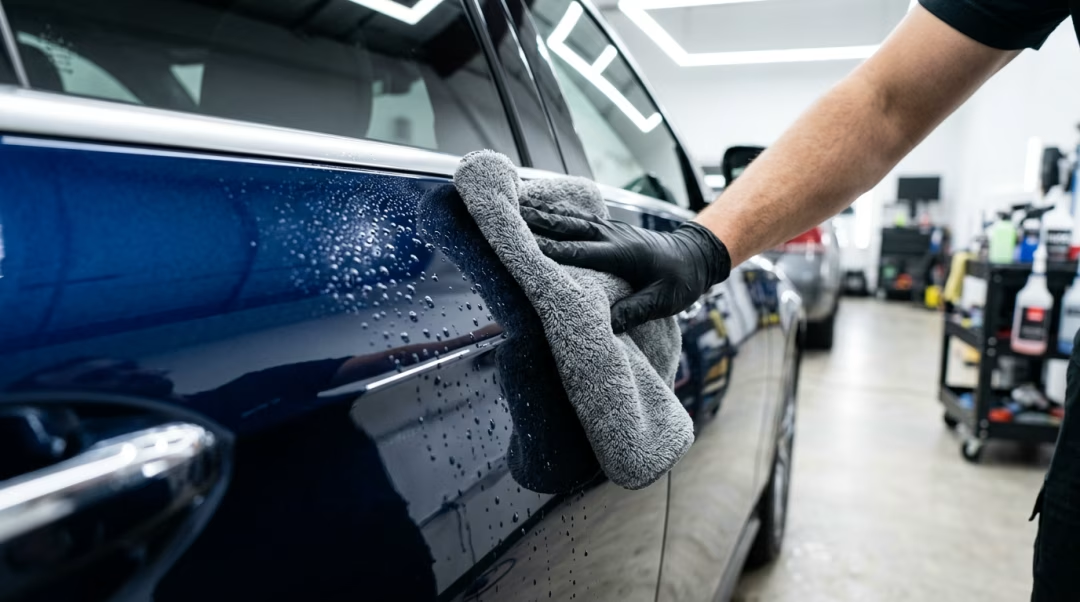
Most body shops recommend waiting at least a week before the first wash, but always ask your technician for their specific advice. When it is time, a careful hand wash is the only safe method. You can see a detailed guide on how to wash a freshly painted vehicle, but here are the key principles:
After the 90 day curing period has passed, it is time to add a layer of protection to preserve that beautiful finish. This will shield the paint from UV rays, which can lead to fading and oxidation, and make it easier to clean. You have several great options:
Wax and Sealants: A high quality carnauba wax provides a deep, warm gloss and good protection for a few months. A synthetic paint sealant typically lasts longer, from four to six months, and offers a slick, glassy finish. Applying one of these is a great first step in long term paint care.
Ceramic Coatings: For superior, long term durability, consider a professional ceramic coating. A ceramic coating forms a semi permanent, incredibly hard layer of protection that can last for years. It creates a highly hydrophobic surface, making the car much easier to wash and keeping it cleaner for longer.
Paint Protection Film (PPF): For the ultimate defense against physical damage like rock chips, minor scratches, and scuffs, a paint protection film is the best choice. This transparent urethane film is applied to high impact areas of the car, like the front bumper, hood, and mirrors, providing a self healing, sacrificial barrier that keeps your paint pristine.
Caring for a fresh paint job is all about allowing it to cure fully and then protecting it for the future. By following these guidelines, you ensure that the investment you made in your vehicle’s repair continues to pay off with a finish that looks factory fresh for many years. If you ever have questions about your vehicle's finish, do not hesitate to contact our vehicle service department for expert advice.
While new paint is often dry to the touch in just a few hours, the full curing process, where all the solvents evaporate and the paint fully hardens, typically takes between 30 and 90 days. Factors like paint type, temperature, and humidity can affect the exact timeline. It is best to be cautious during this entire period.
No, you should avoid all automatic or tunnel car washes for at least the first 90 days. The paint is still very soft during the curing process, and the harsh brushes and high pressure jets used in these facilities can easily cause fine scratches and swirl marks that will dull your new finish.
You must wait until the paint is fully cured before applying any wax, sealant, or polish. This usually means waiting at least 90 days. Waxing too early can trap solvents that are trying to escape, which can ruin the paint job. Always confirm the recommended waiting time with your body shop.
You should remove it as quickly and gently as possible. Bird droppings are very acidic and can etch into soft, curing paint very quickly. Use a soft microfiber towel soaked in water to gently dab and lift the dropping. Do not wipe or scrub, as this can scratch the paint.
Yes, it can be. While professional shops use advanced color matching technology, the application process in a body shop differs from a factory assembly line. There might be a very subtle difference in texture, but it should be nearly imperceptible. A high quality repair will blend seamlessly with the original panels.