When you are shopping for a pre-owned vehicle, nothing is more important than its structural integrity. Structural damage, often resulting from a serious collision, compromises the core safety framework of a car. Unlike cosmetic issues like scratches or small dents, damage to the frame or unibody can alter how the vehicle absorbs impact in a future accident, putting you and your passengers at risk. It can also lead to a cascade of mechanical problems, from uneven tire wear to persistent alignment issues. Recognizing the warning signs of a compromised structure is a crucial skill for any savvy car buyer. A vehicle with a hidden history of severe damage can be an unreliable and dangerous investment. This guide will empower you to look beyond a shiny coat of paint and identify the subtle yet critical red flags that indicate a car may not be as sound as it appears on the surface.
While a clean vehicle history report is a good start, it does not tell the whole story. Not all accidents are reported, and some repair work is intentionally left off the record. The most reliable way to assess a vehicle is through a careful, hands-on inspection. By learning what to look for, you can significantly reduce your risk of purchasing a car with a troubled past. The following steps provide a comprehensive checklist for your own evaluation, helping you spot the telltale signs of previous structural repairs before you commit to a purchase.
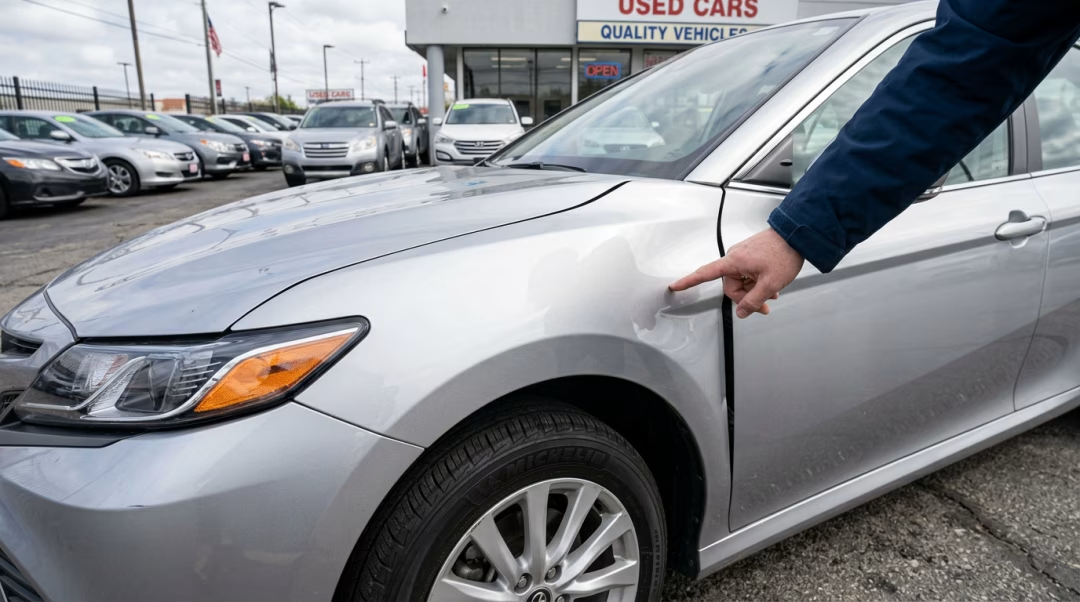
The structure of a vehicle is its skeleton. On older vehicles and most trucks, this is a separate frame, while most modern cars use a unibody design where the frame and body are a single, integrated component. Regardless of the design, this structure is engineered with crumple zones and rigid passenger compartments to protect occupants during a collision. When this structure is bent, crushed, or improperly repaired, its ability to perform this critical safety function is severely diminished. Learning the signs your vehicle needs structural frame repair is not just about protecting your investment, it is about protecting yourself.
Distinguishing between minor cosmetic work and major structural repair is key. A replaced bumper cover or a repaired door ding is vastly different from a straightened frame rail. Our goal is to help you spot the evidence of the latter, ensuring the vehicle you consider from our inventory or elsewhere meets the highest safety standards.
Your inspection should begin with a slow, deliberate walk-around of the vehicle in good lighting. Pay close attention to the details, as this is where the first clues often appear.
The areas hidden from plain sight often hold the most revealing secrets about a car's history. Do not be afraid to get a little dirty to perform a thorough check.
Under the hood, look past the engine at the supporting structures. The frame rails on either side should be perfectly straight, without any ripples, kinks, or non-factory welds. Factory welds are typically clean, consistent spot welds, whereas repair welds often look messier and thicker. Check the apron walls (the inner sides of the engine bay) and the strut towers for any signs of cracking or deformation. Another clue is mismatched or new bolts holding the fenders in place; factory bolts are typically painted the same color as the body and will show wrench marks if they have been removed.
Next, inspect the undercarriage. Use a flashlight to examine the frame rails from underneath. Look for areas that have been bent back into shape or sections that have been cut out and replaced. Fresh undercoating is a common tactic used to hide sloppy repair work, so be suspicious of any areas that look too new or thickly coated compared to the rest of the chassis. While you are there, check the floor pans from inside the car by lifting the carpets and in the trunk by removing the spare tire. Any wrinkling or creasing in the sheet metal points to a significant impact.
Your inspection is not complete without looking inside and taking the car for a spin. The interior can offer clues about a severe accident, particularly concerning airbag deployment. Check that the SRS (Supplemental Restraint System) light on the dashboard illuminates for a few seconds when you start the car and then turns off. If it stays on or never comes on at all, it could signal a problem with the airbag system, a common issue after airbag deployment damage is improperly repaired.
Uneven tire wear is another telltale sign of underlying issues. If the tread on the inside or outside of the tires is significantly more worn than the rest, it points to a chronic alignment problem. While this can have simple causes, it can also be a symptom of a bent frame that prevents the wheels from ever being properly aligned. During the test drive, pay attention to how the vehicle handles. Does it pull to one side on a straight, flat road? Do you feel any strange vibrations through the steering wheel or floor? These can be indicators of alignment issues stemming from structural damage.
Ultimately, if you find any of these red flags, the safest course of action is to walk away or insist on a pre-purchase inspection by a certified collision repair expert. At our dealership, we pride ourselves on a transparent process and a meticulously inspected inventory. If you have questions about a vehicle's history or our inspection process, please contact us or speak with one of the knowledgeable professionals on our team.
Frame damage refers to issues with the separate, heavy steel ladder-like structure that the body and powertrain are mounted on, common in trucks and older cars. Unibody damage refers to damage to the integrated body and frame structure of most modern passenger cars. While different in construction, damage to either is considered structural and severely compromises vehicle safety.
Yes, a highly skilled and certified collision repair facility with the right equipment, like frame-straightening machines and computerized measuring systems, can often repair structural damage correctly. However, an improper repair can be extremely dangerous. It is crucial to verify the quality of the work, as a bad repair can be worse than the original damage.
No, vehicle history reports are not foolproof. They rely on data from police reports, insurance claims, and repair shops. If an accident was not reported or if repairs were paid for out-of-pocket, the damage will likely not appear on a CARFAX or AutoCheck report. This is why a physical inspection is absolutely essential.
Not necessarily, but it requires extreme caution. A salvage title means an insurance company declared the vehicle a total loss. A rebuilt title is issued after a salvage vehicle is repaired and passes a state inspection. While you can find good deals, the risk of underlying structural problems from the original damage is very high. A thorough professional inspection is non-negotiable for these vehicles.
The best way is to have a pre-purchase inspection (PPI) performed by a reputable, independent mechanic or auto body specialist before you buy. They have the tools and experience to measure the frame and spot hidden repairs that an untrained eye would miss. Combining a clean history report, your own careful inspection, and a professional PPI provides the greatest peace of mind.