When you invest in a quality vehicle, protecting its appearance is just as important as maintaining its mechanical performance. One of the most effective ways to preserve your car's factory finish is with a paint protection film (PPF). Often called a "clear bra," PPF is a transparent, durable urethane film professionally applied to a vehicle's painted surfaces. Its primary job is to act as an invisible shield, absorbing the impact from daily driving hazards. This includes frustrating rock chips from highway driving, minor scratches from parking lot encounters, bug splatter, bird droppings, and harmful UV rays that can cause paint to fade over time. By creating a sacrificial barrier between your paint and the elements, PPF keeps your car looking newer for longer, safeguarding its aesthetic appeal and, ultimately, its resale value. It is an essential consideration for any owner serious about paint preservation.
Deciding if paint protection film is a worthy investment comes down to prioritizing long-term value. While there is an upfront cost, it is often significantly less than the expense of repainting panels or the diminished value a car suffers from a pockmarked, scratched exterior. Modern films offer incredible benefits, including self-healing technology that makes light scratches disappear with exposure to heat. This invisible layer of armor not only provides peace of mind but also makes vehicle maintenance simpler, ensuring your investment remains in pristine condition for years to come.
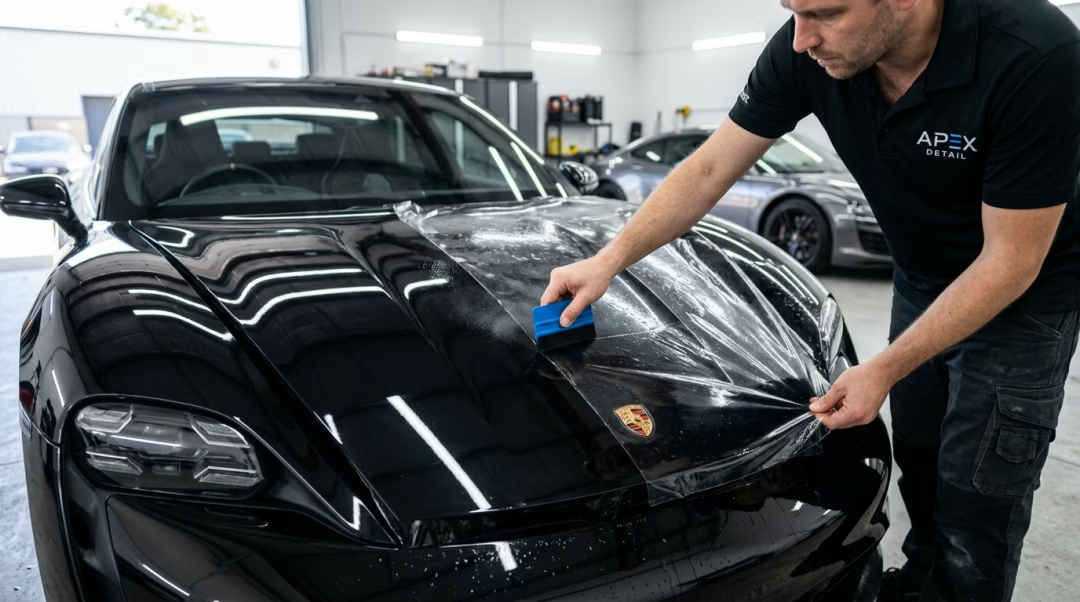
Paint Protection Film represents a significant advancement in automotive surface protection. To truly understand its value, it helps to look beyond the simple description of a "clear shield" and explore what it is made of, its key advantages, and how it compares to other popular protection methods. Originally developed for military use to protect helicopter rotor blades from debris, this technology has been refined for the consumer automotive market, offering a level of defense that was once unavailable to the public. It is a robust, thermoplastic urethane film that conforms to your vehicle's curves, providing a seamless and virtually invisible barrier against damage. For anyone browsing our inventory and considering how to keep their next vehicle looking its best, understanding PPF is crucial.
The advantages of applying PPF are tangible and directly address the most common causes of paint degradation. For drivers who want to maintain that showroom shine, the benefits are compelling.
A common point of confusion for car owners is the difference between Paint Protection Film and ceramic coatings. While both offer protection, they serve fundamentally different purposes. Think of PPF as armor and a ceramic coating as a raincoat.
Paint Protection Film is a physical barrier. It is a measurable, thick layer that physically stops rocks and debris from making contact with your paint. Its strength is in impact protection.
Ceramic Coating is a liquid-polymer that cures to form a hard, chemical-resistant, and hydrophobic layer on top of your paint. It excels at repelling water, making the car easy to clean, enhancing gloss, and protecting against chemical stains and UV rays. However, it offers very little protection against rock chips or scratches. For more detail, see our guide on how ceramic coating works.
For ultimate protection, many enthusiasts choose to use both. PPF is applied to high-impact areas, and then a ceramic coating is applied over the entire vehicle, including the film, to combine physical impact resistance with superior chemical protection and hydrophobic properties.
PPF is not an all-or-nothing product. Professional installers offer various packages to suit different needs and budgets. The most common areas for protection are those that face forward and bear the brunt of road debris.
Applying PPF is a highly skilled craft that requires precision, patience, and a pristine environment. It is not a DIY project. The process begins long before the film touches the car. A professional installer will first perform a thorough decontamination wash to remove all embedded particles from the paint. Next, a paint correction is often necessary to remove any existing swirls or imperfections, ensuring the surface is flawless before being sealed under the film.
Installers use advanced software and a plotter to precisely cut patterns for each specific make and model, ensuring a perfect fit around emblems, sensors, and body lines. The film is then carefully applied using a slip solution, allowing it to be positioned perfectly before being squeegeed into place. The edges are meticulously wrapped for a seamless, invisible look. Entrusting this job to experts, like those in our vehicle service network, guarantees a result free of bubbles, peeling, and contamination.
For most car owners, the answer is a resounding yes. Paint protection film is an investment in preservation. Consider the cost of repainting a modern front bumper, which can easily exceed one thousand dollars due to sensors and complex paint formulas. A single rock chip on your hood can lead to rust if left untreated. The cost of PPF for the front end is a fraction of these potential repair bills and the associated loss in vehicle value.
It is especially valuable for those who own new or high-end used vehicles, drive frequently on highways, live in areas with harsh weather, or simply take immense pride in their vehicle's appearance. By defending against the inevitable wear and tear of driving, PPF allows you to enjoy your car without the constant worry of damaging its beautiful finish. It ensures that when it is time to sell, your vehicle's paint looks as good as the day you protected it. If you have more questions, please do not hesitate to contact us.
A high-quality, professionally installed paint protection film can last anywhere from 5 to 10 years or even longer. Most top-tier films come with a manufacturer's warranty that covers issues like yellowing, cracking, bubbling, or peeling, giving you long-term peace of mind.
Yes, PPF can be safely removed by a professional. When removed correctly, it will not damage the underlying factory paint. In fact, the paint underneath will have been perfectly preserved from the elements and will look as good as the day the film was applied. It should not be removed from a repainted surface without consulting a professional.
This was a common problem with older generations of PPF. However, modern, high-quality urethane films contain advanced UV inhibitors that strongly resist yellowing and discoloration. Reputable brands guarantee their film will remain optically clear for the duration of its warranty period.
Caring for PPF is simple. You can wash and dry your vehicle as you normally would, though hand washing is always recommended. Wait at least 48-72 hours after installation before washing. Avoid using high-pressure washers directly on the film's edges. You can wax or apply a ceramic coating over the film to enhance its hydrophobic properties, but avoid abrasive polishes or compounds.
Absolutely. PPF can be installed on a vehicle of any age. However, for the best results, the paint should be in good condition. It is highly recommended to have a professional paint correction performed beforehand to remove any existing scratches, swirls, or oxidation. Applying PPF will seal in the paint's current condition, so you want it to look its best first.
