An auto collision can be a stressful and disruptive event, but the impact often extends beyond the immediate damage. One of the most significant long term consequences is the negative effect on your vehicle’s resale value. Even after repairs, a car with an accident history can be worth thousands less than an identical model with a clean record. This financial loss is known as diminished value. However, the quality of the collision repair plays a crucial role in mitigating this loss. Professional, high quality auto body work does more than just fix the visible damage; it restores your vehicle’s structural integrity, safety systems, and factory finish. By choosing a reputable repair facility that uses the right techniques and parts, you are making a direct investment in protecting your vehicle’s future worth. Proper documentation and a flawless repair can give a future buyer the confidence they need, preserving as much of your car’s equity as possible.
Ultimately, the goal of any collision repair should be to return the vehicle to its pre-accident condition in terms of safety, function, and appearance. When this is achieved, the impact on resale value is minimized. A prospective buyer inspecting a properly repaired vehicle will find consistent panel gaps, perfectly matched paint, and no lingering signs of damage. This meticulous attention to detail demonstrates that the vehicle was cared for, not just patched up, helping you command a higher price when it is time to sell or trade in.
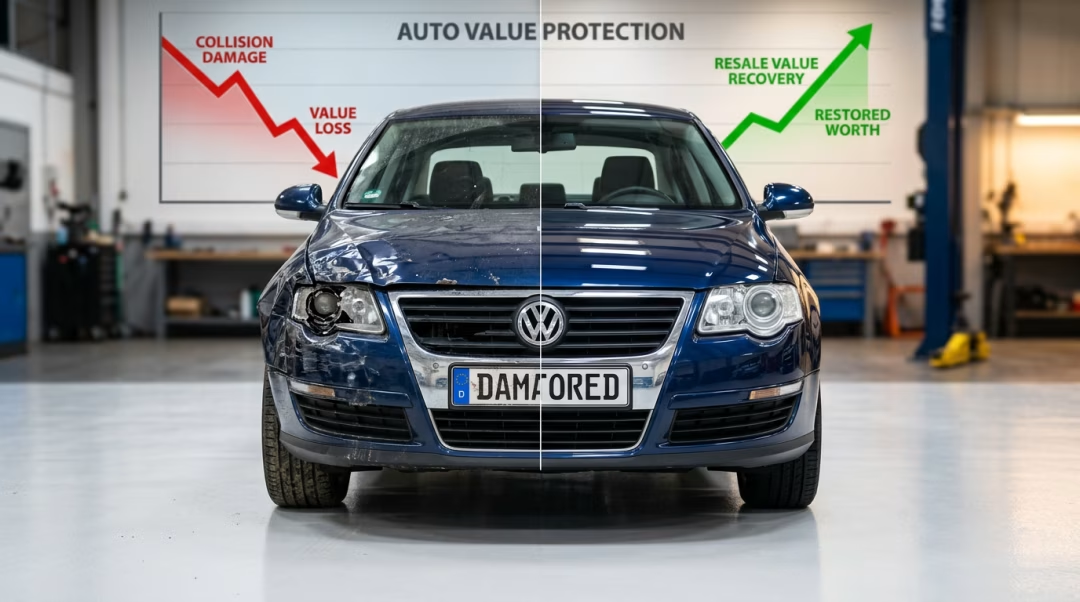
Before diving into how quality repairs protect your investment, it is essential to understand the primary threat to your car’s value after an accident: diminished value. In simple terms, diminished value is the difference in a vehicle's market price before and after a collision. Even if a car is repaired to perfection, its value on the open market will likely be lower simply because it now has an accident history reported on services like CARFAX or AutoCheck. Buyers are inherently warier of previously damaged vehicles, fearing hidden problems or a compromised structure. This stigma directly translates into a lower selling price. There are three main types of diminished value, but the most common for vehicle owners is "inherent diminished value," which is the automatic loss of value from the stigma of an accident history, regardless of the repair quality.
While you cannot erase an accident from your vehicle’s history report, you can take powerful steps to combat its financial impact. The single most effective strategy is investing in a high-quality, professional collision repair. A shoddy or incomplete repair job compounds the problem, adding "repair-related diminished value" on top of the inherent loss. Conversely, a meticulous, well-documented repair provides the strongest possible argument to a future buyer that the vehicle is sound, safe, and reliable, thereby preserving its maximum possible value. A top-tier repair facility focuses on several key areas to achieve this.
Opting for a cheaper, less reputable repair shop might seem like a way to save money upfront, but it almost always costs more in the long run through accelerated depreciation. When a future buyer or a trade-in appraiser inspects your vehicle, they will easily spot the tell-tale signs of a low-quality job. These include mismatched paint colors under different lighting, body panels that are not flush, the excessive use of body filler detected with a magnet, or dashboard warning lights from sensors that were never recalibrated. These flaws not only slash the resale value but can also lead to premature rust where panels were improperly sealed or ongoing mechanical issues. A bad repair job essentially confirms a buyer’s worst fears about purchasing a previously damaged car, forcing you to accept a much lower offer.
When you eventually decide to sell or trade your vehicle, your best tool for defending its value is a comprehensive file of documentation from the repair process. A professional auto body shop will provide you with a detailed, itemized invoice that lists every part replaced and every procedure performed. This record should specify if OEM parts were used and detail any structural realignments or system recalibrations. This paperwork serves as concrete proof that the vehicle was restored correctly by certified professionals. Being able to present this to a potential buyer transforms the conversation from one of doubt and suspicion about the accident to one of confidence and reassurance in the quality of the restoration. This transparency is often the deciding factor in closing a sale at a fair price.
Diminished value is the reduction in a vehicle's market worth after it has been in an accident and subsequently repaired. Even if the repairs are perfect, the simple fact that the vehicle has a damage history reported on its vehicle history report often makes it less desirable to potential buyers, thus lowering its value compared to a similar vehicle with no accident history.
In almost all cases, yes, an accident that is reported will lower a car's resale value to some extent due to inherent diminished value. However, the severity of the value loss is heavily influenced by the quality of the repair. A professional, well-documented repair using OEM parts will minimize this loss far more effectively than a poor quality repair.
The best way is through meticulous documentation. Keep all records from the collision repair shop, including itemized invoices that detail the work done, parts used (specifying OEM parts), and any frame or system recalibration reports. Providing these documents demonstrates transparency and gives the buyer confidence in the vehicle's condition.
No, you have the legal right to choose your own repair facility. While your insurance company may have a list of "preferred" or "direct repair program" shops, you are not obligated to use them. Choosing a highly reputable shop that you trust is critical for ensuring a quality repair that protects your vehicle's value. You can learn more about choosing your own body shop on our blog.
Generally, yes. Minor dings, scratches, and scuffs can give a potential buyer the impression that the car was not well-maintained. Investing a small amount in cosmetic repairs, such as paintless dent repair for minor dings or polishing out light scratches, can significantly improve the vehicle's curb appeal and help you secure a higher selling price, often providing a positive return on the investment.