Have you ever looked closely at a car’s paint job and noticed a subtle, bumpy texture that resembles the skin of an orange? This common imperfection is known as "orange peel," and it can significantly impact a vehicle's appearance and perceived quality. While often just a cosmetic flaw, its presence can sometimes indicate a past repair or a rushed paint application. Understanding what causes this texture is crucial, especially when you are inspecting a pre-owned vehicle. It arises when droplets of atomized paint do not flow out and level into a smooth, glass-like surface as they dry. Factors ranging from the painter’s technique and equipment settings to the temperature and humidity in the paint booth can all contribute to this undesirable finish. A smooth, flawless paint job speaks to the quality and care a vehicle has received, making it an important detail to consider during your car-buying journey.
While a minor amount of orange peel can even be found on vehicles straight from the factory, an excessive or uneven texture is a red flag. It points to an aftermarket paint job that may not have been performed to professional standards. Knowing the difference helps you assess a car's history and condition accurately. This knowledge empowers you to look beyond the initial shine and evaluate the true quality of the finish, ensuring the vehicle you choose meets your standards for craftsmanship and long-term durability.
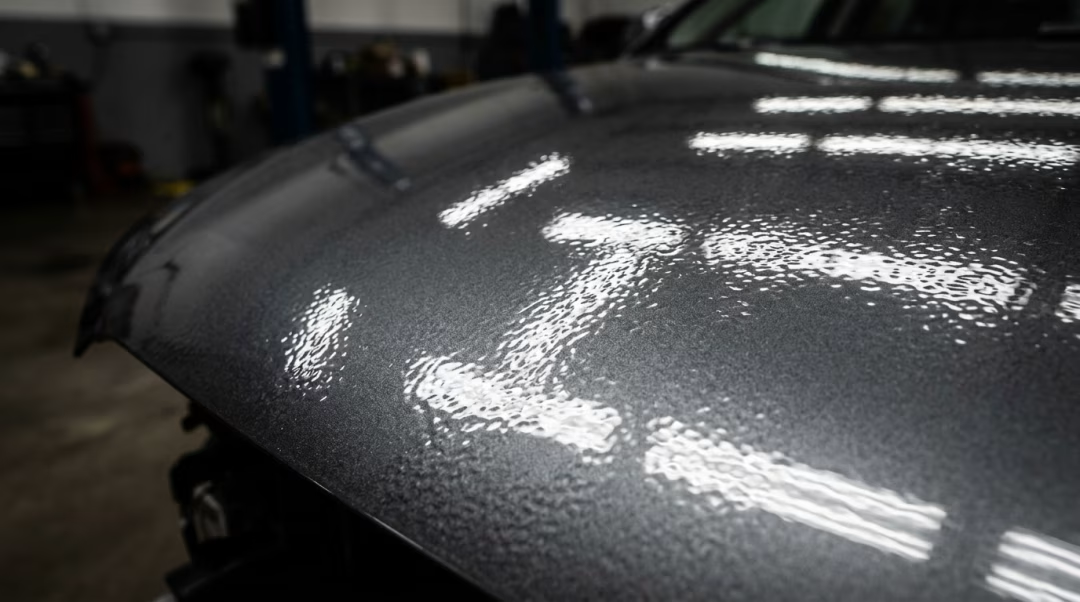
The finish on a vehicle is its first line of defense against the elements and the first thing that catches a potential buyer's eye. A perfect, mirror-like shine reflects quality and care. Orange peel is the term for a paint texture that is bumpy and uneven, mimicking the rind of an orange. This occurs when wet paint fails to level out completely before it cures, leaving behind a series of small waves and dimples on the surface. While the integrity of the paint protection is rarely compromised, the visual appeal is significantly diminished. This texture scatters reflected light, dulling the gloss and preventing the deep, liquid-like shine that defines a high-quality paint job. For anyone browsing our inventory, understanding this can help you appreciate the quality of our meticulously inspected vehicles.
Orange peel is not caused by a single mistake but is often the result of several combined factors during the painting process. It is almost always related to application error or environmental conditions rather than a defect in the paint itself. Let's explore the most common culprits.
It is important to note that a completely flat, texture-free surface is not always the standard, even on brand-new cars. Modern automotive factories use robotic arms for painting and often use high-solids or water-based paints to comply with environmental regulations. These factors can result in a slight, very consistent orange peel texture across the entire vehicle. This factory-applied texture is typically uniform from panel to panel. The red flag for a potential buyer is when the orange peel is inconsistent. If you see one fender with a heavy, wavy texture while the adjacent door is perfectly smooth, it is a strong indicator that the fender has been repainted after a repair. This inconsistency is what you should be looking for when assessing a vehicle's history and the quality of any previous bodywork.
The good news is that in most cases, orange peel can be corrected by a skilled professional. The process, often part of a service known as paint correction, involves carefully sanding down the high points of the texture to create a perfectly level surface. This is a delicate procedure called wet sanding or color sanding. It uses very fine-grit sandpaper (typically 1500 to 3000 grit) along with water or a lubricant to gently shave down the clear coat until it is flat. After sanding, the surface will appear dull and hazy. The shine is then restored through a multi-stage process of compounding and polishing with machine polishers. This carefully abrades the surface on a microscopic level, removing the sanding marks and bringing out a brilliant, mirror-like shine. This is not a DIY job for beginners, as sanding too aggressively can burn through the clear coat, requiring a complete repaint of the panel.
Understanding the nuances of a car's finish is part of being an informed consumer. At our dealership, we pride ourselves on transparency and quality. If you ever have questions about a vehicle's condition or finish, our team is here to help. Feel free to learn more about us and our commitment to excellence or contact us directly with any inquiries.
The term "orange peel" is a direct visual comparison. The bumpy, dimpled texture left by an improper paint application closely resembles the surface texture of an orange's skin or rind. It is a widely used and easily understood term within the automotive and painting industries to describe this specific type of surface imperfection.
While it is technically possible, fixing orange peel is strongly discouraged as a DIY project unless you have significant experience. The process involves wet sanding the clear coat, which is a very delicate task. If you sand too much or unevenly, you can permanently damage the paint, leading to a much more expensive repair. It is best left to professional detailers or auto body technicians who have the right tools and expertise.
Generally, no. Orange peel is a cosmetic flaw in the texture of the top layer of paint (usually the clear coat). It does not typically indicate a problem with adhesion between the paint layers. Therefore, it should not cause the paint to chip, flake, or peel prematurely. However, it does signal that the paint job was not done to the highest standards, which could raise questions about other aspects of the repair work.
Not necessarily. It depends on the severity and consistency. A slight, uniform orange peel that is consistent with a factory finish is perfectly normal. If the orange peel is heavy and isolated to one or two panels, it indicates a past repair. This isn't automatically a deal-breaker, but you should inquire about the nature of the repair and have the vehicle inspected to ensure the work was done properly underneath the new paint.
Preventing orange peel is entirely up to the person painting the vehicle. The key is to control all the variables: using the correct paint-to-reducer ratio, setting the spray gun's air pressure and fluid flow correctly, maintaining proper distance and speed during application, allowing adequate flash time between coats, and ensuring the painting is done in a climate-controlled environment. Choosing a reputable, certified body shop is the best way to ensure a quality, orange-peel-free finish.