Have you ever admired the deep, glossy finish on a vehicle and wondered what gives it that brilliant shine? The secret is the clear coat. This final, transparent layer of paint is the unsung hero of your car's exterior. It serves as a durable, protective shield over the colored base coat, safeguarding it from the harsh realities of the road. From damaging UV rays that cause fading to environmental threats like acid rain, bird droppings, and tree sap, the clear coat is the first line of defense. It also provides resistance against minor scratches and swirls that can occur from daily driving and washing. Understanding the importance of this protective layer is key to maintaining your vehicle's appearance, preserving its resale value, and keeping it looking its best for years to come. A healthy clear coat is a sign of a well-cared-for vehicle.
When you are browsing our inventory of quality pre-owned vehicles, pay close attention to the paint's finish. A vibrant, uniform gloss is a strong indicator that the car has been well-maintained. The condition of the clear coat speaks volumes about the previous owner's care and attention to detail. A compromised clear coat can lead to expensive paint correction or even a full repaint down the line. We take pride in offering vehicles with excellent exterior quality, ensuring the paint protection is intact for your peace of mind.
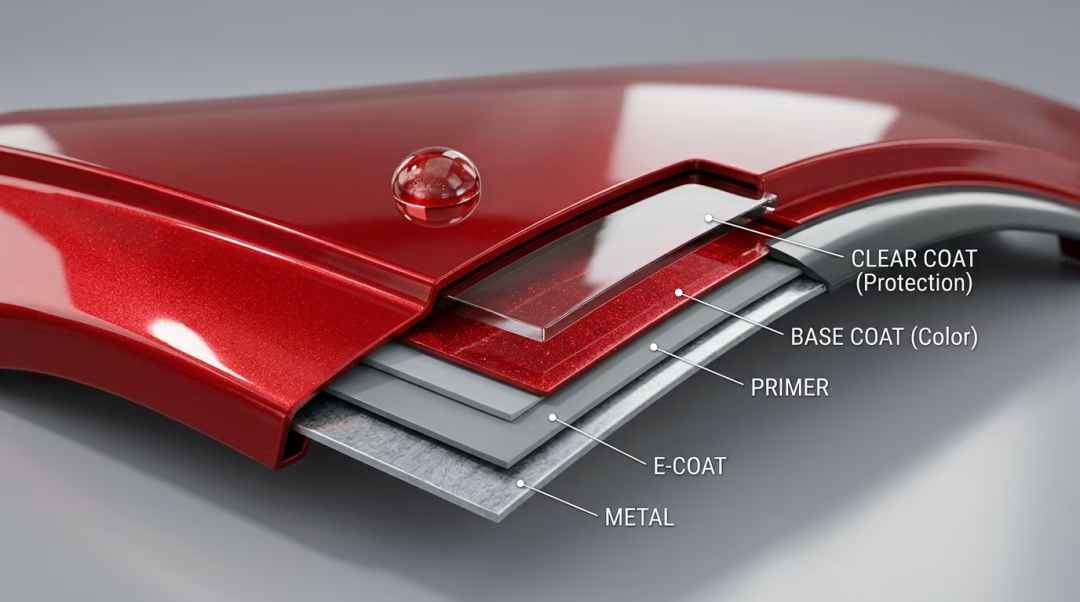
Modern automotive paint is a sophisticated, multi-layered system designed for both aesthetics and durability. While the base coat provides the vibrant color you see, the clear coat is arguably the most critical component for long-term protection and visual appeal. It is a non-pigmented, transparent paint, typically composed of acrylic or urethane polymers, that is applied as the final step in the painting process. Its primary job is to create a resilient barrier between the delicate color coat and the outside world.
To truly appreciate the clear coat, it helps to understand its place within the entire paint system. Each layer has a specific function:
The clear coat does much more than just make a car look shiny. It performs several vital protective roles that are essential for preserving the vehicle's integrity and value.
UV Radiation Protection: One of the biggest enemies of car paint is the sun. Ultraviolet rays break down the chemical bonds in the color coat's pigments, leading to oxidation. This is what causes paint to look faded, dull, and chalky over time. The clear coat contains UV inhibitors that absorb or reflect these harmful rays, acting like a powerful sunscreen for your car's paint. Without it, a bright red car could fade to a dull pink in just a few years.
Chemical and Environmental Resistance: Your vehicle is constantly exposed to contaminants. Bird droppings and bug splatters are highly acidic and can etch into the paint surface if left untreated. Acid rain, tree sap, and road grime also pose a significant threat. During winter, road salt can be particularly corrosive. The clear coat provides a non-porous barrier that prevents these substances from reaching and damaging the colored base coat.
Scratch and Marring Resistance: The clear coat is a sacrificial layer designed to endure minor physical abrasions. Light scratches from fingernails around door handles, bushes on a narrow road, or improper washing techniques will typically only affect this top layer. This allows for imperfections to be polished or corrected without harming the underlying color, which is a key process in maintaining a vehicle's finish.
When a clear coat begins to fail, the signs are usually unmistakable. Recognizing them early can help you understand the condition of a used vehicle or address issues on your current car before they worsen. The most common sign is peeling or delamination, where the clear coat begins to flake off in patches, exposing the dull base coat underneath. This often starts on horizontal surfaces like the roof, hood, and trunk, which receive the most direct sun exposure. Other signs include a cloudy or milky appearance (oxidation), a rough or chalky texture, or a significant loss of gloss that cannot be restored with washing or waxing.
Proper care is essential to extending the life of your car's clear coat. Following a consistent maintenance routine will keep your paint looking great and protect your investment.
The clear coat is a fundamental component of your vehicle's overall health and appearance. It is the guardian of your paint job, and its condition is a direct reflection of how a car has been treated. By understanding its role and how to care for it, you can make more informed decisions when purchasing a pre-owned vehicle and better maintain the one you already own, preserving its beauty and value for the long haul.
It depends on the severity. Minor scratches and oxidation can often be corrected through professional polishing or buffing, which removes a microscopic layer of the clear coat to restore a smooth, glossy surface. However, if the clear coat is peeling or has failed completely, the only proper repair is to sand down the affected panel and reapply the base coat and clear coat.
A factory clear coat can easily last the lifetime of the vehicle, often 10 to 15 years or more, with proper care and maintenance. Factors that shorten its lifespan include constant exposure to harsh sunlight, neglect, use of abrasive cleaning products, and living in areas with high levels of industrial pollution or road salt.
Widespread or premature peeling can be a sign of a poor quality repaint job or a factory defect. On older vehicles, some peeling due to age and sun exposure can be normal. On a newer car, it often indicates improper surface preparation before the paint was applied, causing a lack of adhesion between the layers.
Wax can temporarily improve the appearance of a dull or lightly oxidized clear coat by filling in microscopic imperfections and adding gloss. However, it cannot fix a clear coat that is actively peeling or delaminating. Waxing is a preventative measure for healthy paint, not a cure for failed paint.
Clear coat is a permanent layer of paint applied at the factory or body shop. A ceramic coating is a liquid polymer that is professionally applied on top of the clear coat. It chemically bonds with the surface to form an additional, much harder layer of protection that is more durable and longer-lasting than traditional waxes or sealants.