
As winter blankets the roads, municipalities turn to road salt to ensure safer driving conditions. While essential for melting ice and snow, this corrosive mixture of sodium chloride and other chemicals poses a significant threat to your vehicle's exterior. When salt-laden slush and spray splash onto your car, it begins a relentless assault on the paint, clear coat, and underlying metal body panels. This chemical reaction, known as oxidation, rapidly accelerates the formation of rust, which can spread from a small, unnoticed paint chip to a major structural problem. Understanding how winter road salt affects your vehicle is the first step toward protecting its appearance, safety, and long-term value. Neglecting this seasonal hazard can lead to costly repairs, diminish your car's curb appeal, and significantly lower its trade-in or resale price. Protecting your car from salt is an investment in its future.
The battle against road salt corrosion requires a proactive approach. From the vulnerable undercarriage to the smallest scratch in your paint, no area is entirely safe. Below, we will explore the science behind how salt initiates rust, identify the most susceptible parts of your vehicle, and provide a comprehensive guide to preventative maintenance. We will also cover how to spot early signs of damage and what steps to take for repair, ensuring you can keep your vehicle in prime condition throughout the harshest winter months and beyond.
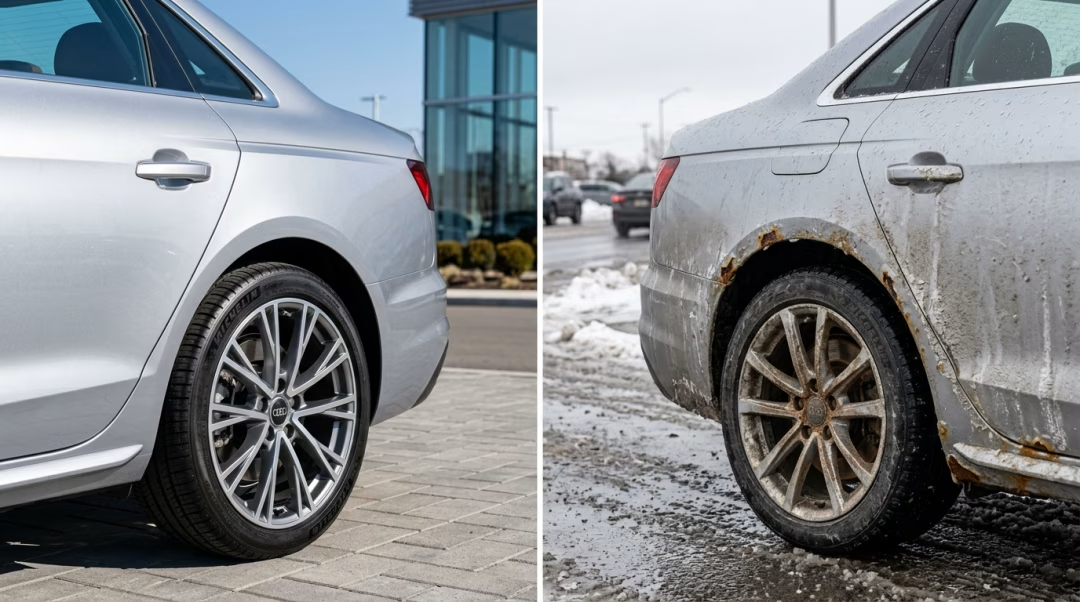
To fully appreciate the danger road salt poses, it is important to understand the science of rust. Rust, or iron oxide, is the result of an electrochemical process where iron reacts with oxygen in the presence of water. This process happens naturally, but road salt acts as a powerful catalyst, drastically speeding up the reaction. Saltwater is a much better electrolyte than freshwater, meaning it conducts electrical current more efficiently. When salt solution covers the metal surfaces of your car, it creates a highly effective electrolytic cell. This environment allows electrons to flow more freely from the iron, accelerating the oxidation process and causing rust to form at an alarming rate. Even small breaks in your vehicle’s protective paint, like rock chips or scratches, become gateways for this corrosive brine to reach the vulnerable steel panels beneath.
While the entire vehicle is exposed, certain areas are far more susceptible to salt accumulation and subsequent corrosion. Being aware of these hotspots allows for more targeted cleaning and protection.
Corrosion is the primary concern, but road salt also damages your vehicle's paint job in other ways. The salt crystals themselves are abrasive. When you try to wipe away dried salt residue without properly washing it, you can easily cause fine scratches and swirl marks in the clear coat. The clear coat is the primary layer of defense for your paint's color and luster. Over time, a buildup of salt film can dull this finish, making the paint appear faded and lifeless. This chemical contamination can also interfere with the protective properties of waxes and sealants, leaving your paint even more exposed to the elements and contributing to a situation where it may fade or oxidize over time.
The best way to combat road salt is with a consistent defensive strategy throughout the winter. Prevention is far easier and less expensive than repair.
1. Frequent Washing: This is the single most important preventative measure. Aim to wash your vehicle at least every one to two weeks during the winter, and more often if you are driving on heavily salted roads. Crucially, choose a car wash that includes an undercarriage spray. This removes the salt from the areas you cannot easily reach. Rinsing the door jambs, wheel wells, and rocker panels thoroughly is also vital.
2. Apply a Protective Layer: Before winter arrives, apply a quality coat of wax or a paint sealant. This creates a hydrophobic barrier between your paint and the corrosive elements. For superior, long-lasting protection, consider a professionally applied ceramic coating. This hard, sacrificial layer provides excellent resistance to salt and other contaminants.
3. Address Chips and Scratches Immediately: Inspect your vehicle's paint regularly. If you find any chips or deep scratches, use touch-up paint to seal the area as soon as possible. This prevents moisture and salt from reaching the bare metal and starting the corrosion process. Understanding how these damages are repaired highlights the importance of this step.
4. Consider Professional Undercoating: For maximum protection, especially on a new or rust-free used vehicle, a professional rubberized or wax-based undercoating can seal the entire underbody. This provides a durable shield against salt, moisture, and rock chips.
Even with preventative care, damage can occur. Knowing what to look for is key to stopping rust in its tracks. The first sign is often bubbling or blistering paint, which indicates that rust is forming underneath. You might also see small, reddish-brown specks on the surface, known as surface rust. If you see these signs, it is time to act. Small spots of surface rust can sometimes be addressed with a rust converter and touch-up paint. However, for bubbling paint or rust that has gone through a panel, professional repair is necessary. A body shop can properly grind away the rust, treat the metal, and apply filler, primer, and paint to restore the panel. Trying to simply paint over rust will not solve the problem; the corrosion will continue to spread beneath the new paint. Checking our inventory of quality used vehicles can show you what a well-maintained car should look like.
It is recommended to wash your vehicle every 7 to 14 days during winter months when roads are being salted. If you are frequently driving through heavy slush or directly after a snowstorm, washing it more often, even every few days, is ideal to neutralize the corrosive effects of the salt.
A touchless car wash is better than no wash at all, as it helps remove loose salt and grime. However, for the most effective cleaning, a soft-cloth wash combined with a high-pressure undercarriage spray is superior. The friction from the cloth helps dislodge stubborn salt film that high-pressure water alone might miss.
While salt does not cause plastic to rust, it can still be damaging. The abrasive salt crystals can cause fine scratches in the plastic finish. Over time, a constant buildup of salt can also cause discoloration and fading on unpainted black or gray plastic trim, making it look chalky and old.
Surface rust is the initial stage of corrosion, appearing as small orange or brown specks on the outer layer of a metal panel. It has not yet compromised the metal's strength. Structural rust is far more severe, where the corrosion has eaten through the metal, creating holes and weakening the integrity of the frame or body panels, which could require significant unibody repair.
A ceramic coating provides a robust, semi-permanent layer of protection that is highly resistant to salt and chemical contaminants. It makes washing off salt much easier and prevents it from bonding to the clear coat. However, it is not invincible. It will not stop rust if a rock chip penetrates the coating and paint. Regular washing is still essential, even with a ceramic coating.
