Your vehicle's frame is its skeleton, the foundational structure that supports the entire body, engine, and drivetrain. It is engineered to provide strength, stability, and crucial protection in the event of a collision. When this core structure is compromised, it affects not only the vehicle's aesthetic but, more importantly, its safety and performance. Frame damage can occur from major accidents, minor fender benders, or even hitting a deep pothole at speed. Recognizing the subtle and obvious signs that your vehicle needs structural frame repair is essential for your safety and for preserving your car's value. Ignoring these warnings can lead to more significant problems, including uneven tire wear, suspension failure, and compromised crash integrity. Understanding what to look for can help you make an informed decision about seeking a professional evaluation and necessary repairs before the damage worsens and your safety is put at risk.
Ultimately, the integrity of your vehicle's frame is non-negotiable for safe operation. While some visual cues might be apparent, many structural issues are hidden from plain sight and can only be accurately diagnosed with specialized equipment. If you notice any combination of the warning signs, from misaligned panels to unusual driving behavior, it is crucial to seek a professional assessment. A proper diagnosis will determine the extent of the damage and the viability of repair, ensuring your vehicle is restored to its pre-accident safety standards.
A vehicle's frame or unibody chassis is the bedrock of its construction. In modern vehicles, the unibody design integrates the frame and body into a single, cohesive structure. This design is excellent for weight reduction and safety, as it includes crumple zones designed to absorb impact during an accident. However, this also means that damage to one area can easily transfer to others, compromising the entire structure. Identifying this damage early is critical. Below, we explore the definitive signs that point toward a need for structural frame repair, broken down into visual cues, performance issues, and professional diagnostic indicators.
Sometimes, the evidence of frame damage is visible if you know where to look. A careful walkaround inspection can reveal a lot about your vehicle's structural health. Do not dismiss these signs as simple cosmetic issues; they often point to deeper, more serious problems.
Frame damage profoundly impacts how a vehicle drives. The chassis is designed to keep the wheels pointing in the same direction and absorb road imperfections smoothly. When it is bent, the entire dynamic of the car changes. Pay close attention to these performance-related symptoms.
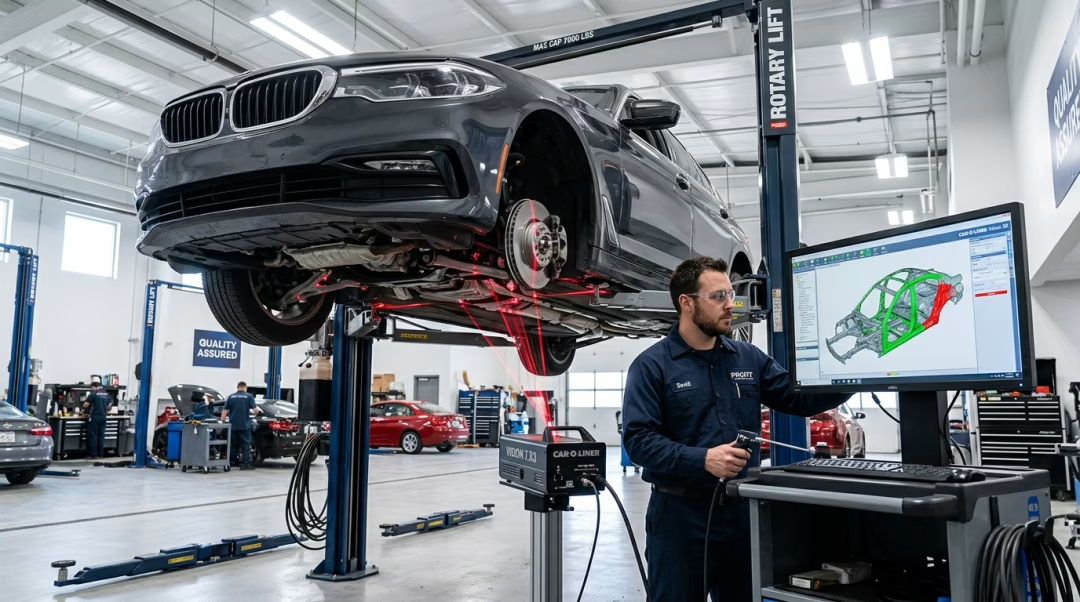
While the signs above are strong indicators, the only way to be certain about the extent of frame damage is through a professional inspection. Auto body shops use sophisticated tools to measure the frame and compare it to factory specifications. This process is essential for understanding what hidden damage looks like after a minor accident. Technicians are trained to know that what appears cosmetic on the surface can hide serious structural issues underneath.
Specialized laser measuring systems can detect deviations as small as a millimeter, providing a precise, three-dimensional map of the frame. This data confirms not only the presence of damage but also its exact location and severity. Based on this information, a technician can determine if frame straightening is possible using hydraulic machines that carefully pull the frame back into its original shape. For modern cars, understanding unibody repair and why it matters is key, as the repair process is integrated with the vehicle's overall body structure.
A body-on-frame vehicle has a separate chassis (the frame) to which the body is mounted. This is common in trucks and large SUVs. A unibody vehicle, common in most modern cars and crossovers, integrates the frame and body into a single structure. Unibody damage can be more complex to repair as the energy from an impact travels throughout the entire structure.
Yes, in many cases, a vehicle with frame damage can be safely repaired by a qualified collision repair facility. Using precise measuring systems and hydraulic straightening equipment, technicians can restore the frame to its original factory specifications. This ensures the vehicle's structural integrity and safety systems will function as designed.
Frame damage, even when properly repaired, can negatively impact a vehicle's resale value. The accident history will be reported on vehicle history reports, which can make potential buyers wary. A diminished value claim may be an option after an accident to compensate for this loss. Properly documenting the professional repair process can help mitigate the loss in value.
If you have collision coverage, your insurance policy will typically cover the cost of frame repair, provided the cost does not exceed the vehicle's actual cash value. If the repair cost is too high, the insurance company may declare the vehicle a total loss. It is important to work with a reputable body shop that communicates effectively with your insurance adjuster.
When looking at our inventory or any used vehicle, look for the visual signs mentioned above, such as uneven panel gaps and doors that do not close right. Always get a vehicle history report, which may list previous accidents. Most importantly, have the vehicle inspected by an independent, trusted mechanic or body shop before purchasing. They can put it on a lift and spot signs of repair or lingering damage.