When you are browsing our extensive inventory of quality pre-owned vehicles, the gleam and finish of the paint is one of the first things you notice. But not all automotive paint is created equal. The two primary types you will encounter are single-stage paint and the more modern base coat/clear coat system. Understanding the fundamental difference between these two can tell you a lot about a vehicle's age, its history, and how to properly care for its finish. Single-stage paint is an all-in-one application where color and protective gloss are combined. In contrast, a base coat system separates these into two distinct layers: a layer for color and a separate, durable transparent layer for protection and shine. This distinction significantly impacts everything from the paint's longevity and resistance to the elements to the complexity and cost of repairs. Knowing what to look for helps you make a more informed purchasing decision.
Ultimately, the evolution from single-stage to base coat/clear coat systems represents a major leap forward in automotive finish technology. While single-stage paint has its place, especially in classic car restorations, virtually every modern vehicle utilizes a base coat/clear coat for its superior durability, UV protection, and stunning depth of color. When you inspect a vehicle on our lot, recognizing the type of paint can provide clues about its originality and maintenance history, reinforcing your confidence in your choice. For more insights, our team is always here to help.
The paint on a vehicle is more than just cosmetic; it is the first line of defense against rust, sun damage, and environmental contaminants. The technology behind that shiny finish has evolved significantly over the decades. The primary shift was from a single-stage application process to a multi-stage system, now the industry standard. Whether you are a classic car enthusiast, a prospective buyer, or someone considering a repaint after a collision, understanding these systems is crucial. Let us explore the composition, application, benefits, and drawbacks of each to give you a complete picture.
As the name implies, single-stage paint is a formulation that accomplishes its job in one go. The paint mixture contains everything needed for the final finish: the color pigment, a resin that acts as a binder, and hardeners that provide gloss and protection. When sprayed, it cures into a single, unified layer that is both colored and glossy. This was the standard method for painting vehicles for many years, up until the 1980s.
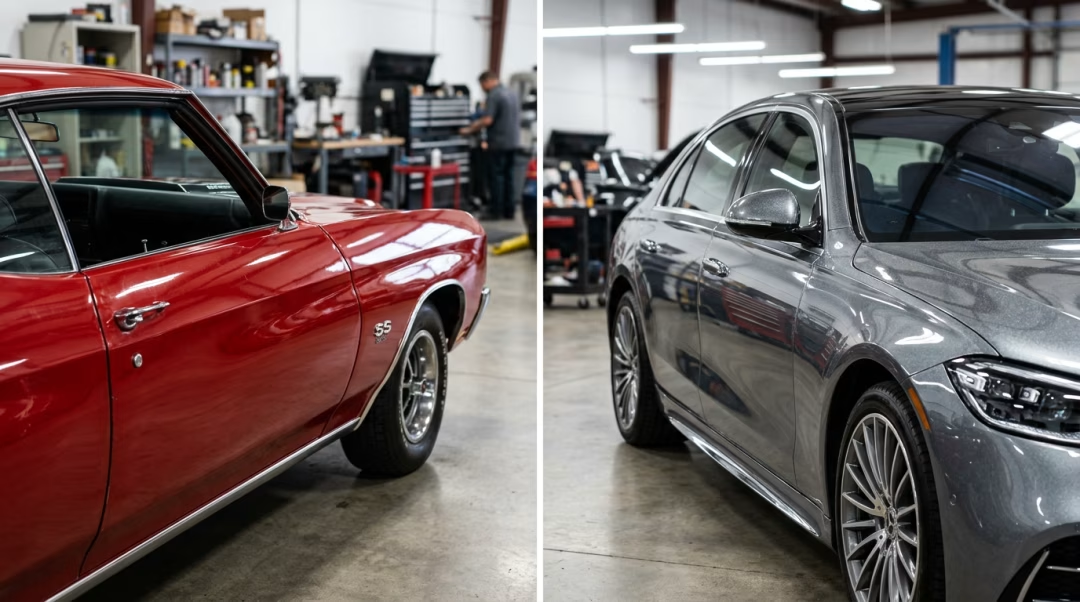
This type of paint is still used today, primarily for classic car restorations aiming for period-correct authenticity and on some commercial fleet vehicles or heavy equipment where cost and application speed are prioritized over a showroom-quality finish.
The base coat/clear coat system, sometimes called a two-stage system, became the industry standard for good reason. It separates the two key functions of a paint job—color and protection—into two distinct layers, allowing each to be optimized for its specific purpose.
The first layer applied is the base coat. This layer contains only the color pigment and, in many cases, special effect elements like metallic flakes or pearl particles. It has no gloss and provides no real protection. Once the base coat is applied and has had time to "flash off" (allowing solvents to evaporate), the second stage begins: the application of the clear coat. This is a transparent layer of acrylic or urethane that is applied over the base. The clear coat is what provides the deep gloss, shine, and, most importantly, a durable shield against the elements.
If you are looking at a used vehicle and are curious about its paint, there are a couple of ways to determine which system it has. The easiest and most definitive method is the polish test. Find an inconspicuous spot on the car, like a door jamb or under the hood. Apply a small amount of a light polishing compound to a clean, white microfiber cloth and gently rub the area. If you see paint color transfer onto the cloth, it is single-stage paint. If the cloth remains clean or only shows gray/black grime, the car has a clear coat, and you are simply polishing that top transparent layer. Another clue is the vehicle's age; most vehicles manufactured from the early 1990s onward will have a base coat/clear coat system. You can also look for signs of clear coat failure, which often appears as peeling or delamination, a common issue on older, poorly maintained cars with this paint system.
For modern daily-driven vehicles, a base coat/clear coat system is unequivocally better. It offers far superior durability, protection from UV rays and environmental damage, and a higher quality finish. Single-stage paint is primarily best for period-correct classic car restorations or on commercial equipment where cost is the main driver.
While it is technically possible, it is generally not recommended. Applying a modern clear coat over old single-stage paint can cause adhesion problems, cracking, or peeling down the line. Proper preparation would involve extensively sanding and sealing the old paint, at which point it is often better to proceed with a full base coat/clear coat repaint.
The switch was driven by several factors. First, consumer demand for more exotic metallic and pearl colors, which are difficult to achieve with single-stage paint. Second, the superior durability and longevity of the two-stage system meant better long-term appearance. Finally, evolving environmental regulations pushed for paint systems with lower volatile organic compounds (VOCs), which was easier to engineer with a separate water-based base coat and a high-solids clear coat.
A repaint using a base coat/clear coat system is almost always more expensive than one using single-stage paint. This is due to higher material costs (you are buying two separate products) and increased labor time for the multi-step application process. However, the investment pays off in the form of a longer-lasting and more resilient finish.
Absolutely. A trained eye can spot signs of a previous repair. Mismatched paint gloss between panels, paint overspray on trim, or an "orange peel" texture can indicate a poor-quality repaint. Knowing how to spot quality paint work is a valuable skill when shopping for a used car, as it can be a red flag for hidden collision damage.