Getting your vehicle back after a rear-end collision repair is a significant moment, marking the end of a stressful process. However, your journey is not quite complete. It is crucial to know what to look for and what to expect in the days and weeks following the repair to ensure the work was performed to the highest standard. A quality repair goes beyond a flawless paint job; it encompasses structural integrity, proper component function, and the restoration of your vehicle's safety systems. When you pick up your car, you should be confident that it is not only aesthetically pleasing but also safe and reliable for the road ahead. This initial period is your best opportunity to inspect the craftsmanship, test the vehicle's performance, and address any potential concerns with the repair facility. Understanding these key areas empowers you to verify the quality of the work and protect your investment.
Your role in the post-repair process is vital for the long-term health and value of your vehicle. Beyond the initial inspection, understanding how to care for your car's new finish is essential for maintaining its appearance. Be mindful of how the car drives, listening for any unusual sounds or noticing changes in handling. A reputable repair shop will stand by its work, but it is your attentiveness that ensures any subtle issues are caught early. This guide will walk you through everything you need to know.
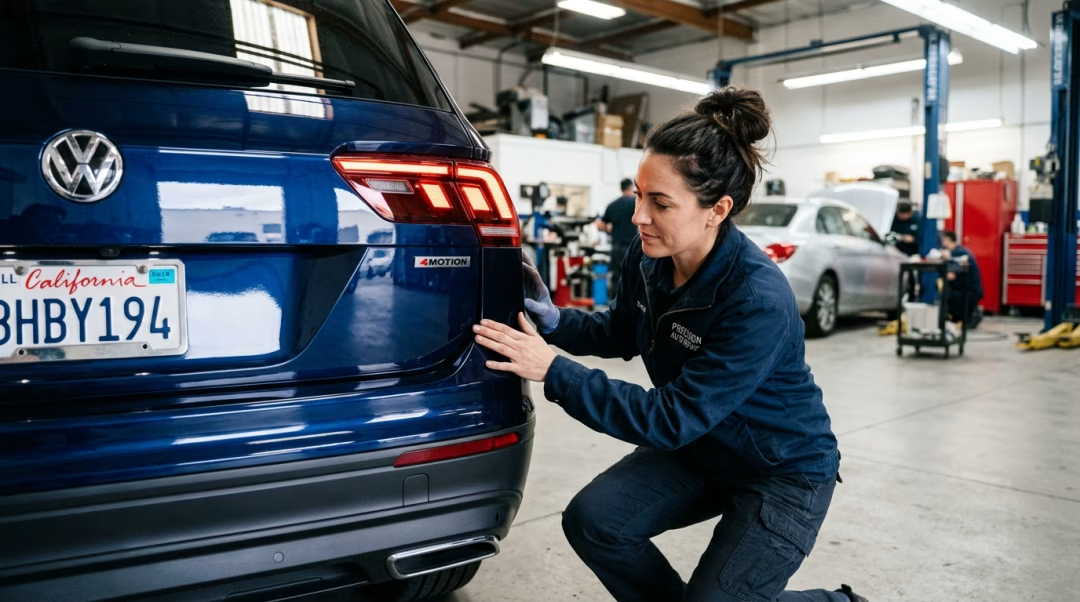
Before you even leave the repair shop's parking lot, a thorough visual and functional inspection is your first line of defense in verifying the quality of the work. Do not feel rushed; take your time to look over every detail. A professional shop will expect and encourage this. Start by examining the vehicle in a well-lit area to get the best view of the paint and bodywork.
The way your car drives after a repair is just as important as how it looks. A rear-end collision can sometimes cause alignment issues after a collision or damage to suspension components that are not immediately obvious. During your first few drives, pay close attention to the following:
Proper care during the initial weeks after a repair is crucial for the longevity of the new paint and bodywork. Auto paint goes through a curing process where solvents evaporate and the paint hardens completely. This can take anywhere from 30 to 90 days.
During this time, it is best to be gentle with the new finish. You should understand how to wash a freshly painted vehicle safely, which means avoiding automated car washes with harsh brushes. Hand washing with a mild, pH-neutral soap is the best option. It is also critical to know how long to wait before waxing, as applying wax too soon can trap solvents and prevent the paint from curing properly. Also, be aware of what products to avoid, such as harsh chemical cleaners or abrasive polishes, which can damage the fresh clear coat.
A professional rear-end collision repair does more than fix cosmetic damage; it restores the structural integrity of your vehicle. This is paramount for your safety in any future incidents. Technicians inspect for and repair any underlying frame or unibody damage, which often requires specialized equipment for tasks like frame straightening. A quality repair protects your vehicle's resale value by ensuring there are no lingering structural problems that could be detected during a future pre-purchase inspection.
While any accident can impact a car's history report, a well-documented, high-quality repair from a reputable facility significantly mitigates the loss in value. In some cases, you may be able to file a diminished value claim with the at-fault party's insurance. The best way to protect your vehicle's resale value is to ensure the repair is done right the first time, using quality parts and certified procedures.
It is generally recommended to wait at least a few days before the first wash. When you do, it should be a gentle hand wash. Avoid high-pressure washers and automatic car washes for the first 30 days to allow the new paint to fully cure. Always ask your repair shop for their specific recommendations.
If you notice an issue with the paint, a strange noise, or a warning light, contact the repair facility immediately. A reputable shop will offer a warranty on their work and will want to inspect the vehicle to address your concerns promptly. Do not delay in reporting any potential problems.
Yes, they absolutely should. The recalibration of Advanced Driver-Assistance Systems (ADAS), including cameras and sensors in the rear bumper, is a critical part of the repair process. You should test these systems before you leave the shop and confirm their proper function during your first few drives.
An accident can affect a vehicle's resale value, but a high-quality, professionally documented repair minimizes this impact. Using OEM parts and restoring the vehicle to its pre-accident condition helps retain as much value as possible. A poor repair, however, can significantly decrease its value.
Most high-quality collision repair shops offer a lifetime warranty on their workmanship, including the paint, for as long as you own the vehicle. Parts are typically covered by the manufacturer's warranty. Always get the warranty details in writing before authorizing repairs.