When your vehicle suffers damage to its side, you may hear the term "quarter panel" mentioned during the repair estimate. But what is a quarter panel, and why is its condition so important? The quarter panel is the large sheet of metal that forms the body of the car from the rear door to the back bumper, wrapping around the wheel well. Unlike a fender or a door, it is not a simple bolt-on part; it is an integral piece of your vehicle’s unibody structure, welded directly to the frame. This makes it a crucial component for both the aesthetic appeal and the structural integrity of your car. Damage to this area from a collision, severe rust, or other impacts often requires a complex repair process. Understanding whether you need a minor repair or a full quarter panel replacement is key to ensuring your vehicle is restored safely and correctly, protecting its value and your safety on the road.
Deciding between repairing a damaged quarter panel and completing a full replacement is a significant decision that affects your vehicle’s structural safety and future resale value. A professional assessment is critical, as technicians can identify hidden damage that might compromise the unibody frame. A high-quality replacement using the right parts and techniques ensures that the vehicle's safety systems and structural rigidity are restored to factory specifications. This meticulous work prevents future issues like rust, panel gaps, and mismatched paint, preserving the integrity of your investment.
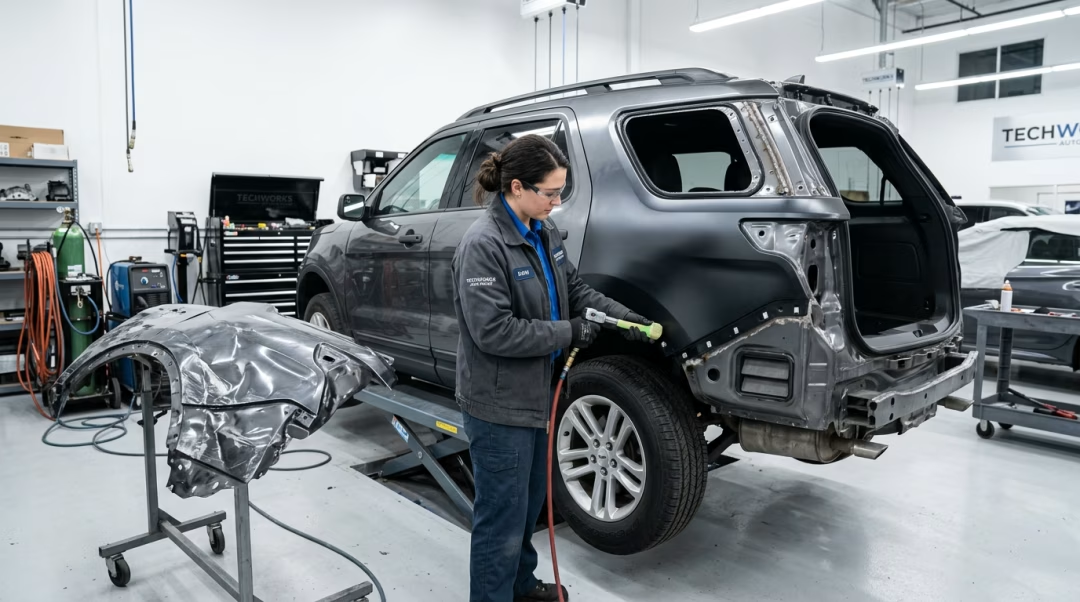
The quarter panel is one of the largest and most foundational body components on most cars, trucks, and SUVs. There are two quarter panels on a vehicle: the driver's side rear and the passenger's side rear. They extend from the rearmost door opening, over the rear wheel, and back to the taillight and trunk area. Because they are welded into the car’s core structure, they contribute significantly to its overall strength and rigidity, especially in side-impact and rear-end collisions. This is a key reason why structural repair is so critical. Unlike a front fender, which is typically bolted on and can be replaced with relative ease, a quarter panel replacement is a form of major automotive surgery that requires specialized tools, training, and precision.
While minor dings and scratches can often be fixed with techniques like paintless dent repair or traditional body filler and paint, more severe damage necessitates a full replacement. The decision to replace rather than repair is based on several factors evaluated by a collision repair expert during an estimate. The primary reasons for replacement include:
A quarter panel replacement is an intricate process that demands a high level of skill. The general steps involved showcase why this is a job best left to certified professionals.
First, the technician performs a thorough teardown of the vehicle's rear section. This includes removing the rear bumper, taillights, interior trim panels, rear glass (in many cases), and any related wiring or components to gain full access to the panel. Next, they must precisely identify all the factory spot welds holding the original panel to the chassis. These welds are carefully drilled out, and any bonding adhesive is released. The damaged panel is then cut away from the vehicle's frame along specific cut lines determined by the manufacturer's repair procedures. This step is critical for maintaining structural integrity.
The new quarter panel, ideally an OEM part to ensure perfect fitment, is then test-fitted onto the vehicle. The technician makes meticulous adjustments to ensure all panel gaps are consistent and aligned with the door, trunk, and bumper. Once the fit is perfect, the new panel is welded into place using techniques that replicate the factory's methods, such as spot welding and MIG welding. After welding, the seams are ground down and sealed with seam sealer to prevent water intrusion and future rust. A very thin layer of body filler may be applied to smooth any minor imperfections before the extensive painting process begins. This includes priming, block sanding, applying a base coat that has been perfectly matched using color matching technology, and finishing with a durable clear coat. Finally, the vehicle is carefully reassembled, and all systems are checked for proper function.
How a quarter panel replacement is performed has a massive impact on your vehicle's long-term health and value. A correctly performed replacement restores the vehicle to its pre-accident condition, maintaining its structural integrity and crashworthiness. It also protects your vehicle's resale value. When you decide to sell or trade in your vehicle, a poor repair with wavy panels, mismatched paint, or wide panel gaps is a major red flag to any inspector or potential buyer. Conversely, a high-quality repair is often undetectable and shows that the vehicle was maintained properly.
This is especially important when considering a pre-owned vehicle from our inventory. We meticulously inspect every car, ensuring that any previous bodywork meets the highest standards of safety and quality. Our commitment to transparency is a core part of who we are, which you can learn more about on our about us page.
A quarter panel replacement is a major repair and can take anywhere from a few days to over a week. The exact timeline depends on the extent of the damage, parts availability, the complexity of the vehicle, and the paint curing process. For a detailed breakdown, you can read our guide on how long collision repair typically takes.
Yes, a reputable auto body shop uses advanced technology to ensure a perfect match. They use the vehicle's factory paint code and a spectrometer to analyze the existing paint's exact shade, accounting for any fading. Technicians then use a technique called blending, feathering the new paint into the adjacent panels (like the door and trunk lid) to create a seamless, invisible transition.
In most cases, yes. If the damage was caused by a covered event, such as a collision, your auto insurance policy will cover the cost of the replacement, minus your deductible. The insurance adjuster will assess the damage and work with the repair shop to approve the necessary procedures to restore the vehicle to its pre-loss condition.
OEM (Original Equipment Manufacturer) panels are made by the vehicle's manufacturer and are identical to the one your car came with from the factory. They guarantee a perfect fit, finish, and structural integrity. Aftermarket panels are made by third-party companies. While they can be less expensive, they may not fit as precisely, potentially leading to issues with panel gaps, body lines, and overall quality. We always recommend understanding why OEM parts matter.
When the job is done correctly by a skilled technician, you should not be able to see any evidence of the repair. All weld seams are ground smooth, covered by seam sealer, and finished with primer and paint to look exactly like the original factory finish. The goal of a quality repair is to make it completely undetectable.