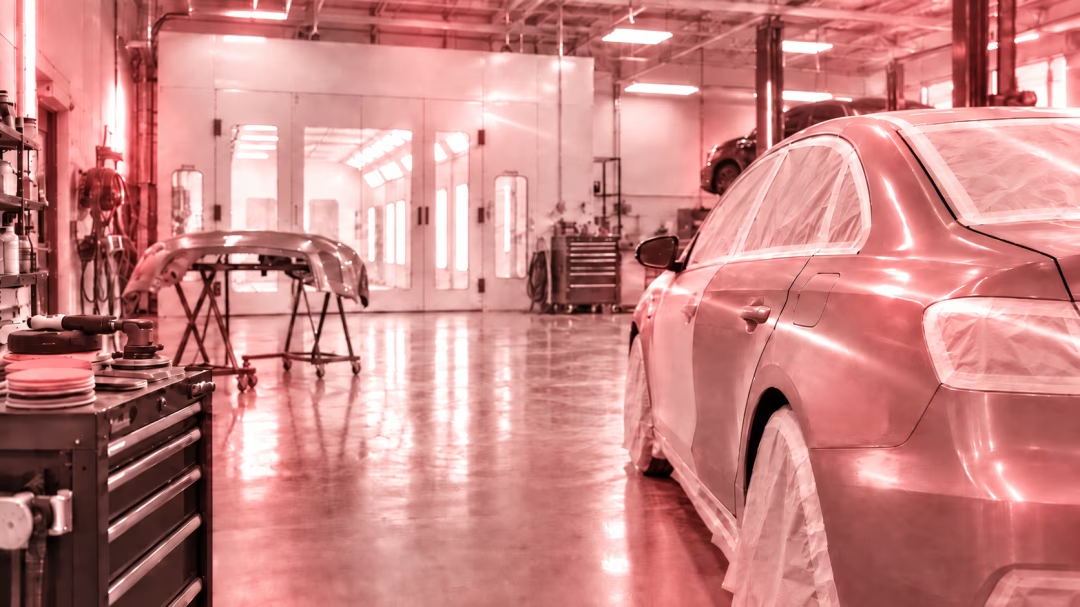
A custom paint job is one of the most transformative upgrades you can give your vehicle. It is your chance to express your personality, restore a classic to its former glory, or simply erase the signs of years of wear and tear. But before you dive into choosing a flashy new color, it is crucial to understand that a high quality repaint is a complex, multi-step process. It involves far more than just spraying on a new coat. Proper surface preparation, the quality of materials used, and the skill of the painter are all critical factors that determine the final outcome and longevity of the finish. A well executed paint job can dramatically increase your vehicle’s aesthetic appeal and even its value, while a poor one can lead to peeling, fading, and disappointment. This guide will walk you through everything you need to know to make an informed decision about your next custom paint project.
Now that you have a better idea of what a custom paint job entails, making the right choice for your vehicle becomes much clearer. The investment in a professional repaint goes beyond aesthetics; it is about protecting your vehicle from the elements and preserving its condition for years to come. A flawless finish not only turns heads on the road but also reflects the care and pride you take in your automotive investment. Understanding the nuances of the process ensures you get the stunning, durable results you deserve.
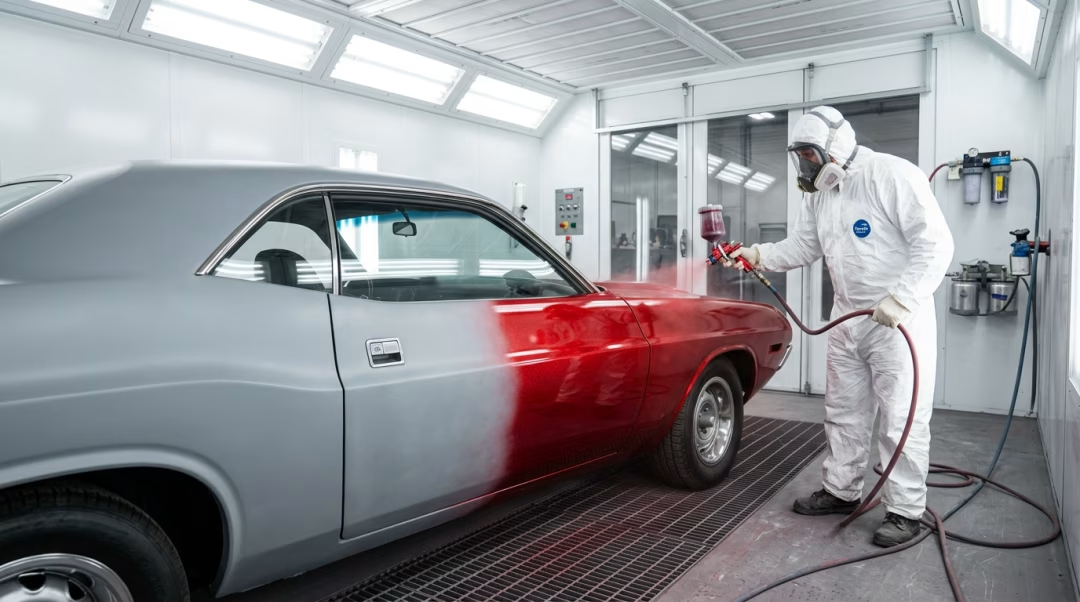
The secret to a durable, glass-like finish lies not in the final coat of paint, but in the meticulous preparation that happens long before any color is applied. A cheap paint job often cuts corners here, leading to premature failure. A true professional understands that the surface must be flawlessly prepared to ensure the new paint adheres properly and looks perfect. This stage is the most labor-intensive part of the entire process. Any underlying issues, from minor dings to significant body damage, must be addressed first. You cannot simply paint over rust, dents, or cracked body filler and expect good results. It is important to know how collision repair differs from general auto repair, as any structural or panel issues need expert attention before painting begins.
The preparation process typically includes several critical steps:
The cost of a custom paint job can vary dramatically, from a few thousand dollars to tens of thousands for a show-car quality finish. Several variables influence the final price tag. Understanding these factors will help you set a realistic budget and understand what you are paying for when you receive an estimate. The biggest mistake you can make is choosing a shop based on price alone, as the lowest bid often reflects compromises in materials or preparation. When you are looking for a reliable shop, it is important to know how to choose a collision repair shop that has a reputation for quality work.
After investing in a beautiful new paint job, the last thing you want is for it to get damaged. Proper aftercare is essential, especially in the first few months while the paint fully cures. The paint may feel dry to the touch within hours, but the solvents deep within the layers can take 30 to 90 days to completely evaporate and harden. During this critical time, the paint is soft and vulnerable. You should ask your painter about the specific break-in period and how to care for a fresh paint job. Knowing how long to wait before waxing is crucial; waxing too soon can trap solvents and ruin the finish.
For long-term protection, learn how to wash a freshly painted vehicle using the two-bucket method to prevent scratches. Avoid automatic car washes with abrasive brushes. Once the paint has fully cured, applying a high-quality wax or sealant every few months will provide a protective barrier against UV rays, bird droppings, and environmental contaminants. For the ultimate defense, consider investing in a paint protection film (PPF) or a professional ceramic coating, which can provide years of durable protection and make cleaning your vehicle much easier. With the right care, your custom paint job will look amazing for many years and protect your vehicle's resale value.
The timeline can vary greatly depending on the scope of work. A simple exterior respray on a vehicle with no body damage might take one to two weeks. However, a full color change that involves extensive bodywork, disassembly, and specialty paints could take a month or even longer. For more details, explore our guide on how long a full repaint takes.
Orange peel is a texture that can appear in the clear coat, resembling the skin of an orange. It is caused by the improper application of paint, incorrect gun settings, or paint drying too quickly. While a small amount is common even in factory finishes, excessive orange peel indicates a lower quality job. It can be removed by a process called wet sanding and polishing. You can learn more about what causes orange peel on our blog.
It can, but it depends on the quality of the work and the color choice. A high-quality repaint in a popular, factory-style color on a desirable car will almost certainly increase its value. However, an exotic or polarizing color may narrow the pool of potential buyers, potentially hurting resale value. A poor quality paint job will always decrease a vehicle's value.
Yes, this is often referred to as a "scuff and shoot." The existing paint is scuffed with sandpaper to create a surface the new paint can adhere to. While this is the cheapest way to repaint a car, it is not recommended if the original paint is failing, peeling, or cracking. Any imperfections underneath will eventually show through, and the new paint will only be as durable as the old layer it is sitting on.
The difference lies almost entirely in labor and materials. A cheap paint job will minimize prep work, use lower-quality single-stage paint, and may not remove trim, leading to overspray and premature peeling. An expensive paint job invests heavily in meticulous prep work, uses premium base coat and clear coat materials, and involves careful disassembly and reassembly for a flawless, factory-like finish that will last for decades.